May 2026 brought a wave of significant updates to the AI coding landscape. The major players released new models and refined their tooling ecosystems. We saw Google I/O deliver substantial improvements to the Gemini family while Anthropic released Opus 4.8 with a focus on dynamic workflows. OpenAI also shared valuable insights into their internal safety engineering for Codex.
Retrospective edition for June 2026. Researched and published September 9, 2026. Product details reflect documentation checked at publication unless explicitly identified as historical.
Top of mind for developers this month
The overarching theme for May was workflow integration. Developers are moving past the novelty of generating boilerplate code and are now focused on maintaining complex systems with AI assistants. Managing context windows effectively remains a primary challenge. As projects grow larger, the ability to selectively feed relevant files to models becomes critical.
For background, read what is context engineering 2026 to understand how to structure prompts. Structured memory and persistent state are useful related design choices. Developers want their assistants to remember architectural decisions across sessions. One applicable pattern is the decision log pattern stop ai re litigating where teams explicitly document choices to prevent models from suggesting discarded approaches.
Model launches and updates
Google I/O on May 19 was a major event for the Gemini ecosystem. Google announced Gemini 3.5 Flash, positioning it as a high speed model optimized for developer workflows. According to the Google I/O 2026 collection, this model is designed to handle rapid iterative coding tasks with lower latency.
Anthropic responded on May 28 with the release of Opus 4.8. This incremental update brings refined reasoning capabilities for complex refactoring tasks. The Anthropic news release confirmed that Opus 4.8 maintains the same base price as the previous 4.7 version. This pricing strategy makes it easier for teams to adopt the newer model while still measuring actual usage and their context budgets multi file projects.
The decision by Anthropic to keep Opus 4.8 at the same base price as 4.7 removes a significant barrier to upgrading. Teams should still compare task-level usage, review time, and regression results before changing their configured model. Equal unit prices do not establish equal total cost.
When evaluating these models, teams should consider their specific use cases. A useful trial would compare rapid scaffolding, a multi-file refactor, and a regression-test task. This roundup does not contain a measured head-to-head comparison.
| May announcement | Suggested evaluation |
|---|---|
| Gemini 3.5 Flash | Measure accepted output, latency, and usage on a short iteration |
| Opus 4.8 | Repeat a known refactor with the same acceptance tests |
| AI Studio and Antigravity updates | Review the complete path from prompt to tested artifact |
These are proposed checks, not claims that a particular model wins each task.
Tool launches and updates
Alongside the model updates, the tooling ecosystem saw significant enhancements. Google expanded the capabilities of Google AI Studio to better integrate with developer environments. The Google AI Studio I/O update highlighted new features designed to streamline the transition from prompt experimentation to production deployment.
Anthropic’s Opus 4.8 announcement also discussed dynamic workflows in Claude Code. Evaluate the resulting plans and actions against your repository’s requirements; the feature name alone does not establish which steps are safe to automate. This aligns with the broader trend of building more agentic systems as discussed in claude code dynamic workflows opus 4 8.
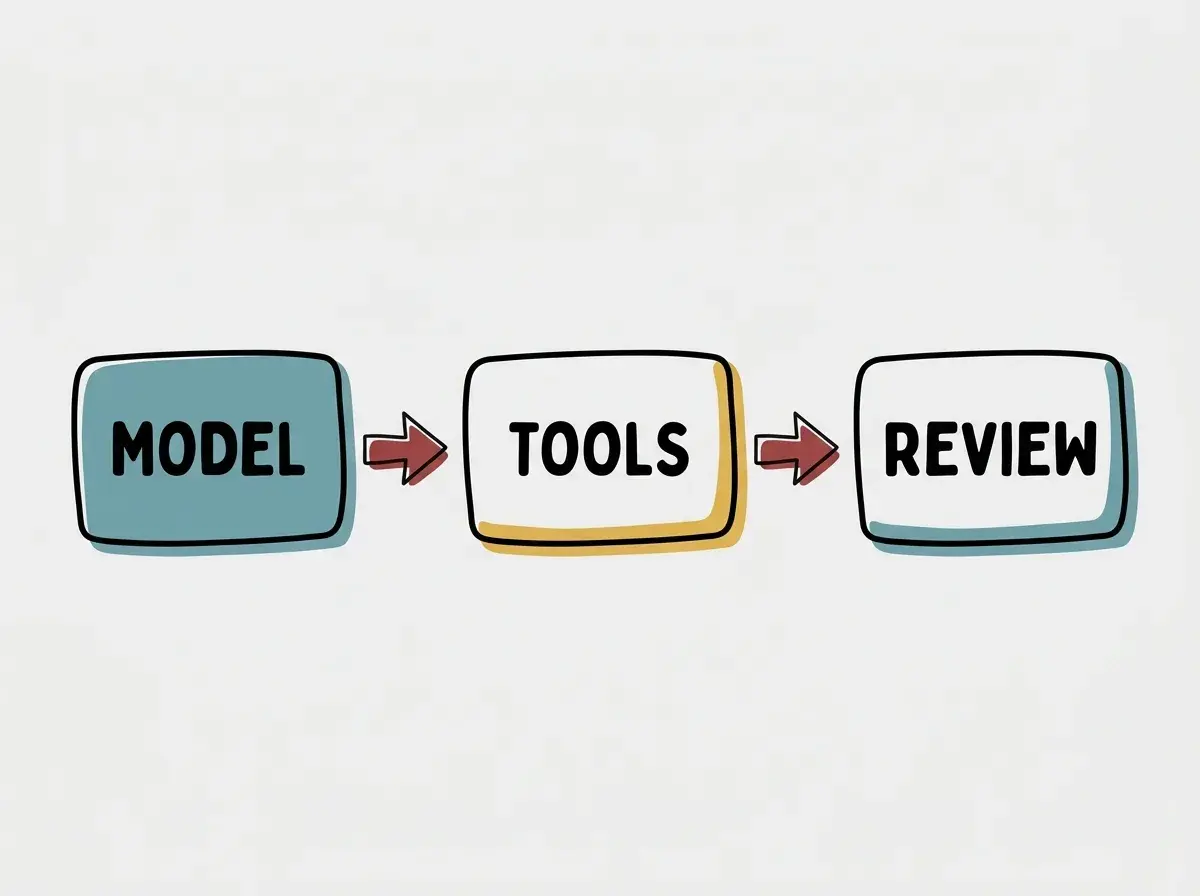
To effectively use these new tools, teams must invest time in configuring their environments. Setting up custom server connections can greatly enhance the utility of these assistants. For example configuring claude code mcp servers postgres github custom allows the model to query databases directly during the coding process.
Explore clear explanations of AI coding tools, project context, and reliable development workflows.
Explore the blogNotable shipped work
The shipped work verified in this source set is the vendor releases described above. The following are proposed reader exercises, not reports of newly launched independent projects. One exercise is using Opus 4.8 to untangle deeply nested dependencies in older JavaScript projects. By providing the model with the package file and a few key entry points, developers can ask it to map out the dependency graph and suggest a modernization strategy.
A second exercise is targeted test generation with Gemini 3.5 Flash. Choose one behavior with missing coverage, request a test, and verify that it fails against a known faulty implementation. Measure its usefulness before wiring generation into an automatic loop.
Persistent context is another useful evaluation topic. Understanding claude code memory how memory command claude md work is crucial for building assistants that learn project conventions over time. For a security counterexample, our Mini Shai-Hulud supply-chain coverage concerns malicious persistence; it is not a utility to adopt. Keep project memory separate from unreviewed package execution.
A frequent error when using high speed models like Gemini 3.5 Flash is failing to constrain the output format. Without strict system prompts the model may generate code that does not adhere to your project linting rules requiring manual cleanup.
Failures and security
Security remains a paramount concern when integrating AI into the software supply chain. On May 8 OpenAI published a detailed explanation of their internal practices for running Codex safely. The OpenAI Codex safety report outlined the sandboxing techniques and monitoring systems they use for controlling code execution and access in its internal use of Codex.
It is important to note that this report was an architectural deep dive rather than a response to a specific public incident. OpenAI detailed how they isolate code execution environments to constrain what agent execution can access. This transparency is valuable for enterprise teams looking to establish their own enterprise ai coding governance policies.
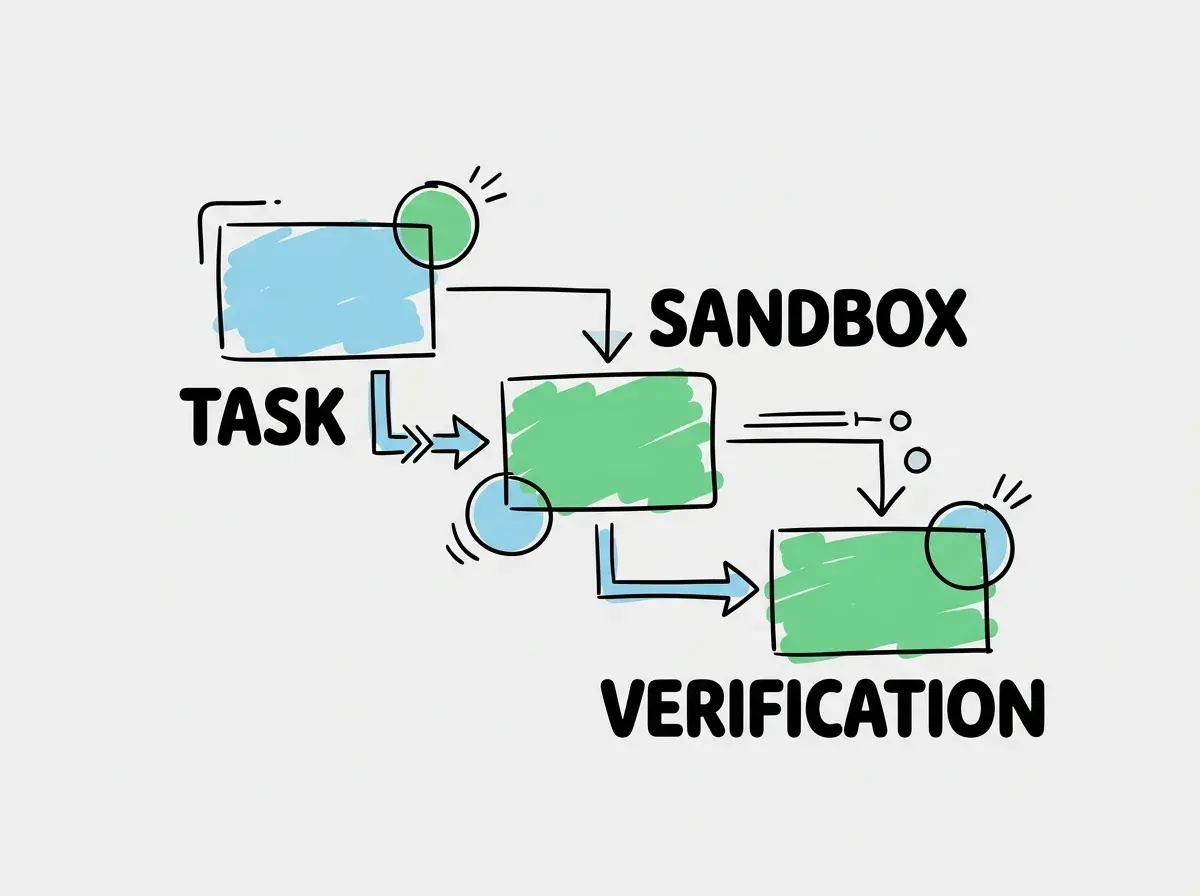
When implementing AI coding tools internally, organizations should adopt similar isolation strategies. Reviewing how industry leaders manage these risks can inform your own deployment strategies. Teams planning a rollout should consult resources like rolling out ai coding engineering team to ensure they are building a secure foundation.
Quiet but interesting developments
Beyond the headline announcements, Google quietly advanced their Antigravity project. While not the main focus of I/O, the updates to Antigravity suggest a growing emphasis on seamless integration between AI models and traditional developer environments. We previously explored the potential of these integrations in google antigravity 2 vibecoders.
As background rather than a separately verified May launch, Claude Code’s existing command and skill mechanisms provide ways to structure tasks. These primitives are essential for building complex automated tasks. Understanding how to combine these tools is becoming a core skill as detailed in skills slash commands subagents claude code primitives.
Another useful background technique concerns restarting a confused session. The clean room technique starting fresh without losing progress is one way to prevent legacy technical debt from influencing AI generated code.
What we are watching
Looking ahead we are closely monitoring how usage based billing models will evolve. As developers rely more heavily on AI assistants the cost of API calls can accumulate rapidly. We are watching for changes in how platforms structure their pricing tiers especially in light of upcoming adjustments like the github copilot usage based billing june 2026 updates.
We are also keeping an eye on the development of multi agent systems. The ability for different AI models to collaborate on a single codebase represents the next frontier in vibe coding. Tools that facilitate this collaboration will likely become essential components of the modern developer stack. We will be tracking how tools like cursor composer 2 5 agentic coding integrate these multi agent capabilities.
Finally we are watching how the internal teams at these AI companies use their own tools. Understanding how claude code team uses claude code provides valuable insights into the most effective workflows and patterns.
A small evaluation to carry into June
Choose one maintenance task that already has an accepted human solution. Save the starting commit, task description, and relevant tests. Run the task with your existing setup, then with one of May’s new options. Keep the same tool permissions and avoid giving the newer model an answer key that the baseline did not receive. This makes the comparison easier to interpret.
Record whether the change passes the behavior checks, how many files it touches, and how long review takes. If a workflow produces an attractive preview but changes an unrelated database contract, reject that result. If a faster model needs several repair loops, include those loops in its usage and elapsed time. The practical question is whether the whole process improves an accepted outcome, not whether its first response feels impressive.
Use the result to make one bounded decision: keep the current setup, trial the new option for this task category, or investigate a specific failure. There is no need to migrate every project because several vendors shipped in the same month.
What this means for you
The updates in May 2026 highlight a maturation of the AI coding ecosystem. The focus has shifted from raw generation capabilities to workflow integration and security. For developers this means it is time to move beyond simple prompt engineering and start building robust automated workflows.
You should evaluate how models like Opus 4.8 and Gemini 3.5 Flash can fit into your specific development processes. Consider setting up dynamic workflows in Claude Code to automate repetitive tasks. Review your internal security policies to ensure they align with the best practices shared by companies like OpenAI.
By embracing these new tools and methodologies you can significantly enhance your productivity and maintain a competitive edge in the rapidly evolving world of software development.
Read more practical articles for choosing tools, reviewing changes, and shipping useful software.
Read more guides