July brought significant shifts to the AI coding landscape. We saw major frontier model announcements alongside subtle but impactful tooling updates that change how teams manage context and cost. This retrospective breaks down the key events and explores how you can adapt your daily engineering workflows to take advantage of them.
Retrospective edition for August 2026. Researched and published September 9, 2026. Product details reflect documentation checked at publication unless explicitly identified as historical.
Top of mind
July’s tool announcements emphasized multi-repository work and more ways to manage conversations. Engineering teams are no longer just asking how to generate code. They are asking how to manage the lifecycle of AI generated solutions across complex architectures.
We are seeing a maturation in how vendors approach these problems. Instead of simply increasing context windows, the focus has shifted toward intelligent routing and cross channel context gathering. This reflects a broader industry understanding that raw model intelligence must be paired with operational efficiency to be truly useful at an enterprise scale. If you are rolling out AI coding across an engineering team, these architectural shifts dictate how you should train your developers.
Model launches and updates
The most prominent model news of the month arrived on July 24 with the announcement of Anthropic Opus 5. According to Anthropic, this new frontier model is designed specifically for complex coding and knowledge work tasks Source.
The introduction of Opus 5 signals a shift toward models that can hold deeper architectural context over longer sessions. Test those vendor claims against the context and acceptance checks your task actually needs.
While the raw capabilities of Opus 5 are notable, the practical implication for developers is the need for better context management. When a model can process vast amounts of system architecture, feeding it the right information becomes your primary challenge. You must master context budgets in multi file projects to prevent the model from hallucinating based on outdated or irrelevant files.
For example, when refactoring a legacy authentication module with Opus 5, you should not just dump the entire repository into the prompt. Instead, carefully curate the specific interface definitions and database schemas required for the task. This targeted approach helps direct the model’s work on the actual logic rather than parsing unrelated frontend components.
| Review dimension | Question to test |
|---|---|
| Context | Did the workflow retrieve the actual interfaces and schemas? |
| Change scope | Did it modify only what the task required? |
| Verification | Do behavior checks pass independently of the model’s explanation? |
Repository indexing and terminal execution are features of the surrounding application. They are not automatically supplied by choosing the Opus 5 model.
Tool launches and updates
Cursor released a steady stream of updates throughout July aimed at improving team collaboration and cost management. On July 10, they introduced side chats and conversation search. A week later on July 17, they rolled out Slack plans featuring multi repository and cross channel capabilities Source.
Conversation search can help recover a prior decision, but check which conversations the current user can search. Separate that from Slack’s repository and channel features. This pairs perfectly with the decision log pattern to stop AI re litigating past choices.
Explore clear explanations of AI coding tools, project context, and reliable development workflows.
Explore the blogCursor also addressed the growing concern of inference costs. On July 22, they introduced a Router feature designed to balance cost and intelligence by dynamically selecting the appropriate model for a given task Source.
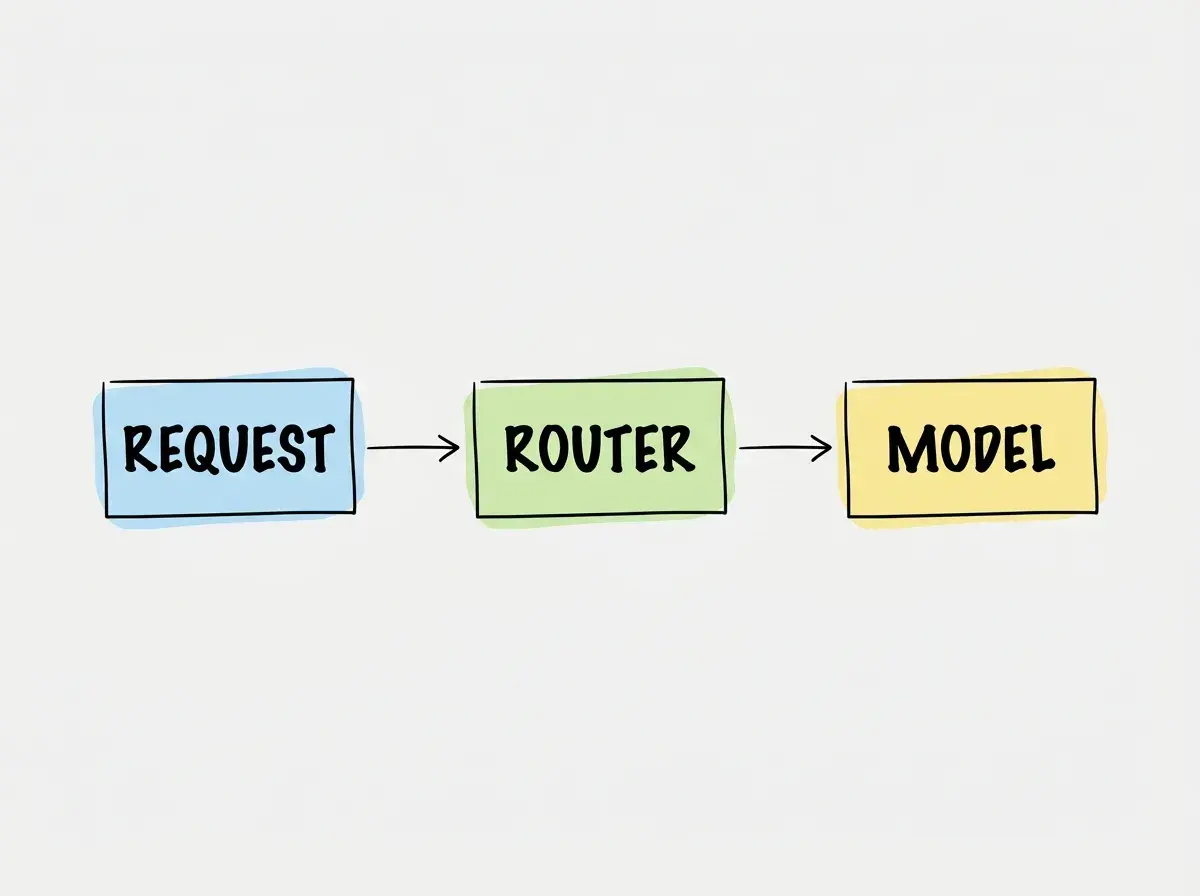
Routing introduces another variable into evaluation. Record the selected model when the interface exposes it, then compare accepted results and cost with a fixed-model baseline. Do not infer the router’s internal selection algorithm from its name or assume it always chooses the cheapest successful option.
Additionally, Cursor expanded its accessibility. On July 28, they announced a new Start plan for India priced at 649 INR per month including tax. The following day, July 29, they launched their iPad application Source. The iPad app opens up new possibilities for reviewing code and managing cloud agents on the go.
Notable shipped work
Anthropic published a case study on July 6 detailing how the Alberta government used their models for cybersecurity vulnerability reviews Source.
This is a vendor-reported case study, not independent evidence that every security review benefits equally. An AI review can propose findings that require source inspection, reproduction, and assessment by an authorized reviewer.
To replicate this workflow in your own environment, you need strict enterprise AI coding governance policies. You should establish clear boundaries regarding what code can be analyzed and ensure that any generated remediation suggestions are thoroughly reviewed by human security experts before deployment.
Failures and security
The integration of AI into security workflows is not without risk. On July 30, Anthropic disclosed three incidents where their cyber evaluation environments accidentally reached real world systems Source.
Never assume that an AI evaluation environment is perfectly isolated by default. Always implement robust network level boundaries and monitor outbound traffic when testing autonomous agents.
These incidents underscore the critical importance of sandboxing when working with advanced models. If you are building tools that allow models to execute code or make network requests, you must implement defense in depth strategies.
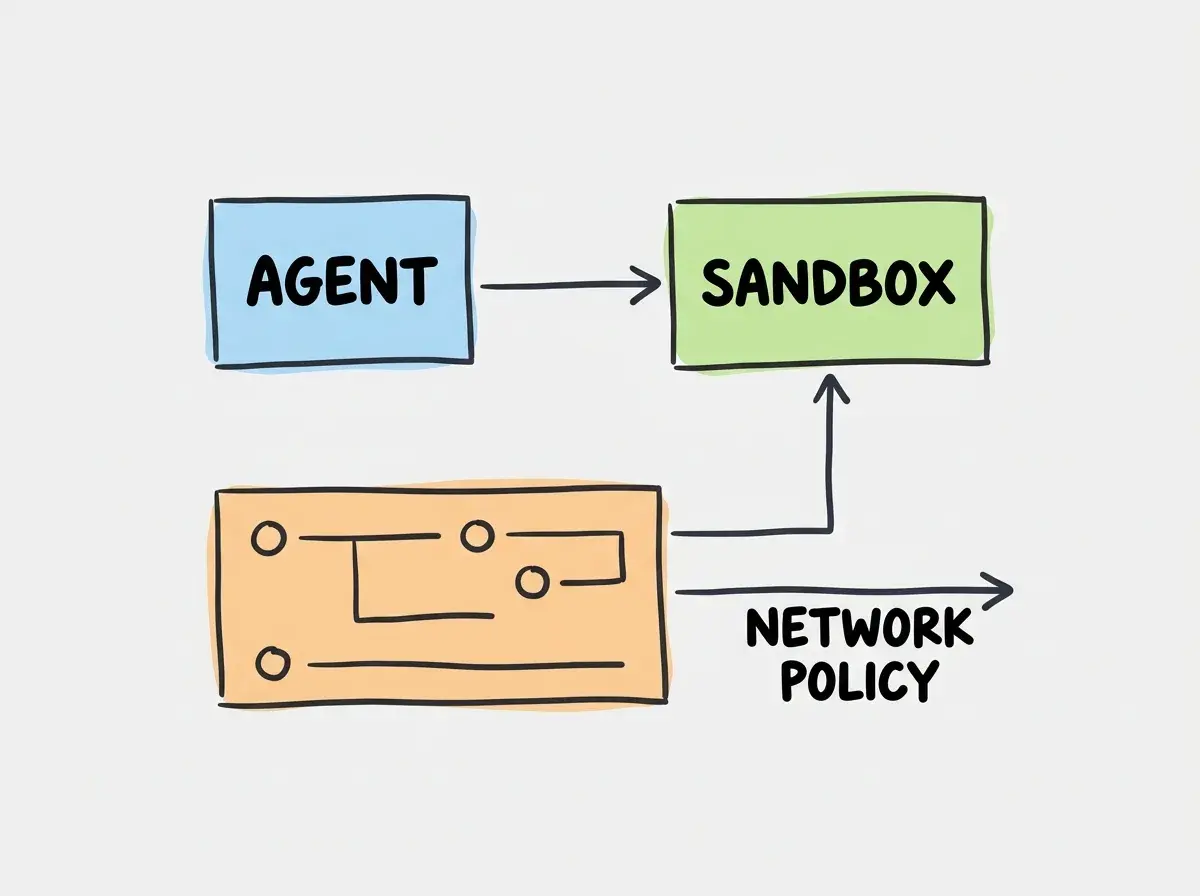
When configuring parameterized permission rules, ensure that agents operate with the principle of least privilege. A failure in an evaluation environment can quickly become a production incident if proper safeguards are not in place.
Quiet but interesting
Beyond the headline announcements, several background techniques are relevant. One is the clean room technique starting fresh without losing progress when a model gets stuck in a loop. By resetting the context and providing a summarized state of the problem, developers can break the cycle of hallucination and guide the model back on track.
Another useful background topic is custom MCP servers for Postgres and GitHub. By connecting AI directly to database schemas and issue trackers, developers are reducing the friction of context gathering. This integration can supply schema evidence for SQL queries and understand the historical context of a bug without requiring the developer to manually paste information.
Understanding what context engineering is in 2026 is becoming a core competency. It is no longer just about prompt engineering; it is about building the infrastructure that feeds the right data to the model at the right time.
What we are watching
Looking ahead, we are closely monitoring how teams manage permissions for background tasks. As tools become more autonomous, configuring background agents and permission prompts will become a significant challenge for engineering managers.
We are also watching the evolution of skills, slash commands, and subagents. The ability to chain specialized agents together to solve complex problems is promising, but it requires robust orchestration and error handling.
Finally, we are observing how the Claude Code team uses Claude Code internally. Vendor dogfooding often provides the best leading indicators for where the industry is heading and what best practices will emerge next.
Compare routed and fixed-model work
Choose a task with a known expected result, such as updating one API client after a documented response-field change. Run it once through the router and once with a fixed model, using separate clean checkouts. Record the files read, changes proposed, checks run, and total usage. A different model label is less important than whether the output satisfies the same contract.
Review failed results as carefully as successful ones. A route that produces a patch quickly but misses a backward-compatibility requirement has not completed the task. Include the time spent finding that omission and requesting another attempt. If model selection is not visible, document that limitation instead of inventing a precise explanation for the router’s behavior.
For the collaboration features, start with one test repository and one non-sensitive channel. Confirm which account can see the plan and whether the linked run opens for the intended reviewer. Search for a known prior decision and check whether the result preserves its context. Do not assume a message retrieved from a channel represents the current approved requirement.
Finally, repeat a small check from a mobile surface. Inspect the diff, identify a failed test, and find the run’s source branch. If those review steps are awkward, use mobile access for triage and return to a larger workspace for approval. The value of another interface depends on the quality of decisions you can make through it.
What this means for you
The updates from July 2026 clearly indicate that AI coding is moving from isolated experimentation to integrated enterprise workflows. The introduction of Opus 5 and Cursor intelligent routing creates new options to evaluate for capability and cost.
However, the security incidents disclosed by Anthropic serve as a stark reminder that this power requires careful management. You must prioritize secure evaluation environments and strict permission controls.
To stay ahead, focus on mastering context management and integrating AI deeply into your team communication channels. The developers who thrive will be those who understand how to orchestrate these tools safely and efficiently across their entire architecture.
Read more practical articles for choosing tools, reviewing changes, and shipping useful software.
Read more guides