Retrospective edition for July 6, 2026. Researched and published September 9, 2026. Product details reflect documentation checked at publication unless explicitly identified as historical.
June brought significant volatility to the AI coding landscape. We saw major infrastructure expansions, unexpected model suspensions, and crucial security responses that tested enterprise workflows. Navigating these shifts requires a clear understanding of the new primitives available to engineering teams.
This retrospective breaks down the events of the prior month, offering practical exercises and structural analysis to help you adapt your development environments.
Top of mind for engineering leaders
The primary theme for June was the tension between rapid capability expansion and the operational realities of deployment. Teams rolling out AI coding tools faced a stark reminder that reliance on cloud-hosted models introduces external dependencies that can change overnight.
When establishing governance for these tools, leaders must account for service interruptions. Relying entirely on a single provider for your daily development workflow is a risky proposition. The events of this past month highlight the necessity of flexible tooling that can seamlessly switch between different language models and providers.
For teams currently rolling out AI coding across the engineering team, the focus should remain on building robust context pipelines rather than optimizing for one specific model version.
Model launches and unexpected updates
The model ecosystem saw dramatic shifts, starting with Anthropic's highly anticipated release and subsequent retraction.
Anthropic’s June 9 announcement introduced Fable 5 for broader use and Mythos 5 for restricted defensive-security partners. Our background coverage explains the initial Fable 5 available in Claude Code discussions. However, just three days later on June 12, Anthropic suspended access to these models following a US export-control directive.
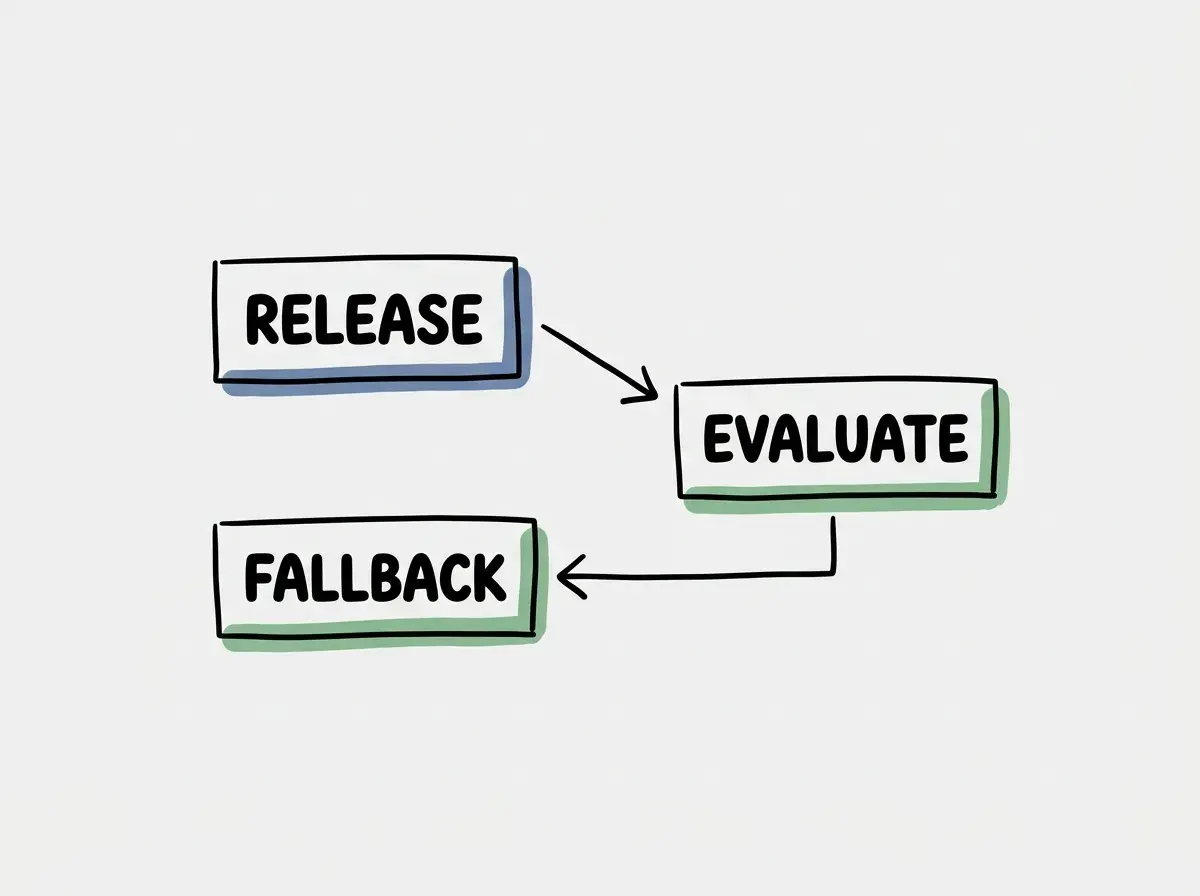
The suspension made availability a concrete integration constraint. The June 30 restoration announcement set a July 1 return for Fable 5 and described more limited Mythos access. A July 1 update subsequently confirmed restored access; that update falls after the June reporting window. This timeline serves as a critical case study for the Fable 5 offline restoration path and the importance of fallback mechanisms.
Meanwhile, OpenAI made a significant enterprise push. On June 1, OpenAI announced frontier models and Codex availability on AWS. Teams should check the specific service, region, access terms, and data controls rather than treating AWS availability as an automatic compliance guarantee.
| June event | Operational question |
|---|---|
| New AWS access path | Does the chosen service meet this workload’s requirements? |
| Model access suspension | Can the workflow pause or use an approved fallback? |
| New role plugins | Which tools and data does each installed plugin expose? |
This is a comparison of decisions raised by the news, not a claim about either provider’s uptime or overall reliability.
Tool launches and workflow updates
OpenAI followed their AWS announcement with a suite of workflow enhancements on June 2. The June 2 Codex announcement introduced role-oriented plugins, Sites preview, and annotations.
These role plugins allow developers to define specific personas and capabilities for Codex, tailoring the assistant to distinct phases of the software development lifecycle. For example, you can configure a plugin specifically for code review, equipping it with strict linting rules and architectural guidelines.
The Sites preview introduces a new way to share and interact with generated artifacts, somewhat analogous to how teams use Claude Code artifacts for live shareable pages. Annotations provide a way to give contextual feedback on work.
Role plugins are not just prompt templates. They represent a structural shift in how we assign tasks to AI assistants. By scoping the context and available tools to a specific role, you can make the intended workflow more explicit; measure the resulting behavior.
To practice utilizing role plugins, try defining a strict testing persona. Provide the plugin with your testing framework documentation and instruct it to generate tests for named failure cases in a module, then inspect whether the assertions catch those failures.
Explore clear explanations of AI coding tools, project context, and reliable development workflows.
Explore the blogNotable shipped work and acquisitions
Beyond product updates, the corporate landscape shifted. On June 11, OpenAI announced an agreement to acquire Ona. It is important to note that this is an announced agreement, and the announcement should not be reported as a completed acquisition.
This prospective acquisition signals OpenAI's intent to expand its cloud development and agent infrastructure. While we wait for the deal to finalize, teams can look at how they currently manage their internal documentation and consider how context budgets in multi file projects might evolve with tighter platform integrations.
A proposed exercise is to compare a role plugin for database changes with one for frontend work. Check whether the selected tools and instructions actually improve the reviewable output. This source set does not establish faster iteration times for independent teams. This mirrors the structured approaches seen when teams learn how the Claude Code team uses Claude Code internally.
Failures and security incident responses
Security remains a paramount concern when integrating AI into the software supply chain. In June, OpenAI published its TanStack npm supply-chain response.
The incident highlighted vulnerabilities in how dependencies are resolved and verified. OpenAI's response noted that signing certificates were affected. Engineering teams must review their automated deployment pipelines to ensure they are not blindly trusting generated dependency updates.
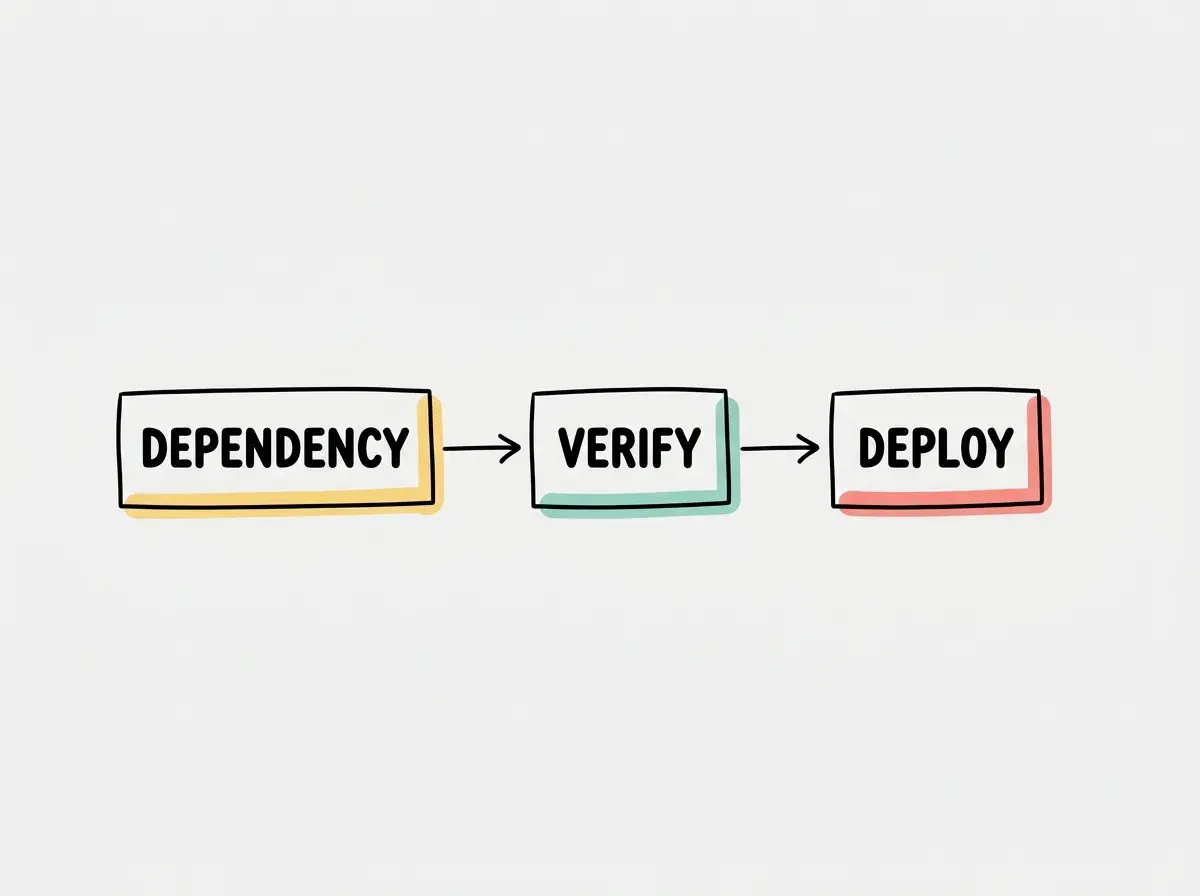
When establishing enterprise AI coding governance policies, mandate that all dependency changes proposed by an AI assistant undergo manual review and cryptographic verification. Do not allow AI tools to automatically execute package installations without human oversight.
Failing to pin dependency versions when using AI coding assistants can lead to unintended upgrades. Always configure your tools to respect exact version numbers in your package configuration files to avoid unreviewed version drift. Pinning alone does not establish that a package is safe.
Quiet but interesting developments
While major launches dominated the headlines, several subtle improvements deserve attention. The evolution of skills slash commands and subagents as Claude Code primitives continues to mature, offering granular control over AI actions.
Additionally, the community's focus on Claude Code memory and how the memory command works demonstrates a growing need for persistent context across sessions. Developers are moving away from pasting the same instructions repeatedly and are instead building durable knowledge bases that the AI can query automatically.
Relevant background includes the decision log pattern to stop AI re litigating past architectural choices. By maintaining a clear, machine-readable log of technical decisions, teams give reviewers a reference for identifying reverted patterns or questioning established conventions.
What we are watching next
The June record leaves a useful watch item: verify the restored model’s actual availability on the access channel your workflow uses, then rerun a representative task. A restoration announcement and a successful request from your account are different pieces of evidence.
We are also tracking the adoption of Claude Code MCP servers for Postgres and GitHub. As these integrations become more robust, the ability for AI assistants to directly query databases and manage pull requests will fundamentally alter daily engineering tasks.
Finally, we are watching how the Cursor iOS app public beta with cloud agents influences mobile development workflows. The ability to review code and trigger agentic tasks from a mobile device introduces new paradigms for on-call engineers and remote teams.
Test the fallback before depending on it
Use a small repository task with no production credentials. Record the primary model, tool permissions, expected output, and the conditions under which a fallback is allowed. Some workflows can safely switch models; others should stop and ask the operator to review a missing capability or data-policy difference. Do not silently route confidential context to a provider that has not been approved for it.
Simulate an unavailable endpoint and verify the actual outcome. The fallback should receive the necessary task state without duplicating an external action. For example, if the first run already opened a pull request, the second run must recognize that state rather than creating another one. Keep a stable task identifier and inspect the resulting repository changes.
Record any differences in tool syntax, structured output, and refusal behavior. Passing a text-generation test does not establish compatibility with a multi-step coding workflow. The exercise is complete when another engineer can follow the record and explain why the system either continued or stopped.
What this means for you
The events of June emphasize the need for resilience in your AI coding strategy. You cannot rely on a single model or provider being available one hundred percent of the time.
Start by auditing your current workflows. Identify where you have hardcoded dependencies on specific models. Implement fallback configurations that allow developers to switch providers seamlessly. If you are struggling with a corrupted workspace after a model hallucination, practice the clean room technique starting fresh without losing progress to reset your environment safely.
Furthermore, take advantage of the new structural tools like Codex role plugins. Spend time defining explicit personas for your most common tasks. The upfront investment in configuration will yield significant returns in output quality and consistency.
When encountering unexpected behavior, utilize tools like Claude Code safe mode for debugging to isolate issues without executing potentially harmful commands. Treat your AI assistants as powerful but fallible team members that require clear boundaries and continuous supervision.
Read more practical articles for choosing tools, reviewing changes, and shipping useful software.
Read more guides