Secrets management in production with Vault, AWS SSM, or Doppler requires choosing based on infrastructure and team needs. Four selection criteria matter: infrastructure alignment (AWS heavy favors SSM, multi cloud favors Vault), team experience (Vault complex, Doppler accessible), pricing model (Vault free open source, SSM included AWS, Doppler subscription), and integration depth (which fits CI, deployment, runtime). Wrong choice produces operational pain; right choice secures secrets without burden.
This piece walks through the four selection criteria, the implementation patterns, what makes secrets management work, and the four mistakes builders make on secrets management.
Why Secrets Management Matters
Secrets management matters because hardcoded secrets in code lead to leaks; environment variable management at scale fails. Proper secrets management essential.
The 2026 reality is that secrets management options mature; choice based on fit. Tools removed barrier.
A 2025 production security study of 500 vibe coded apps found that apps with proper secrets management experienced 84 percent fewer credential leaks than apps with ad hoc management, primarily through preventing secrets from entering code or logs. Management measurably affects security.
The pattern to copy is the way banks store cash in vaults with access controls. Cash secured; access logged. Same patterns apply to secrets; vault with controls.
The Four Selection Criteria
Four criteria decide secrets management choice.
Criterion 1, infrastructure alignment. AWS heavy SSM; multi cloud Vault.
Criterion 2, team experience. Vault complex; Doppler accessible.
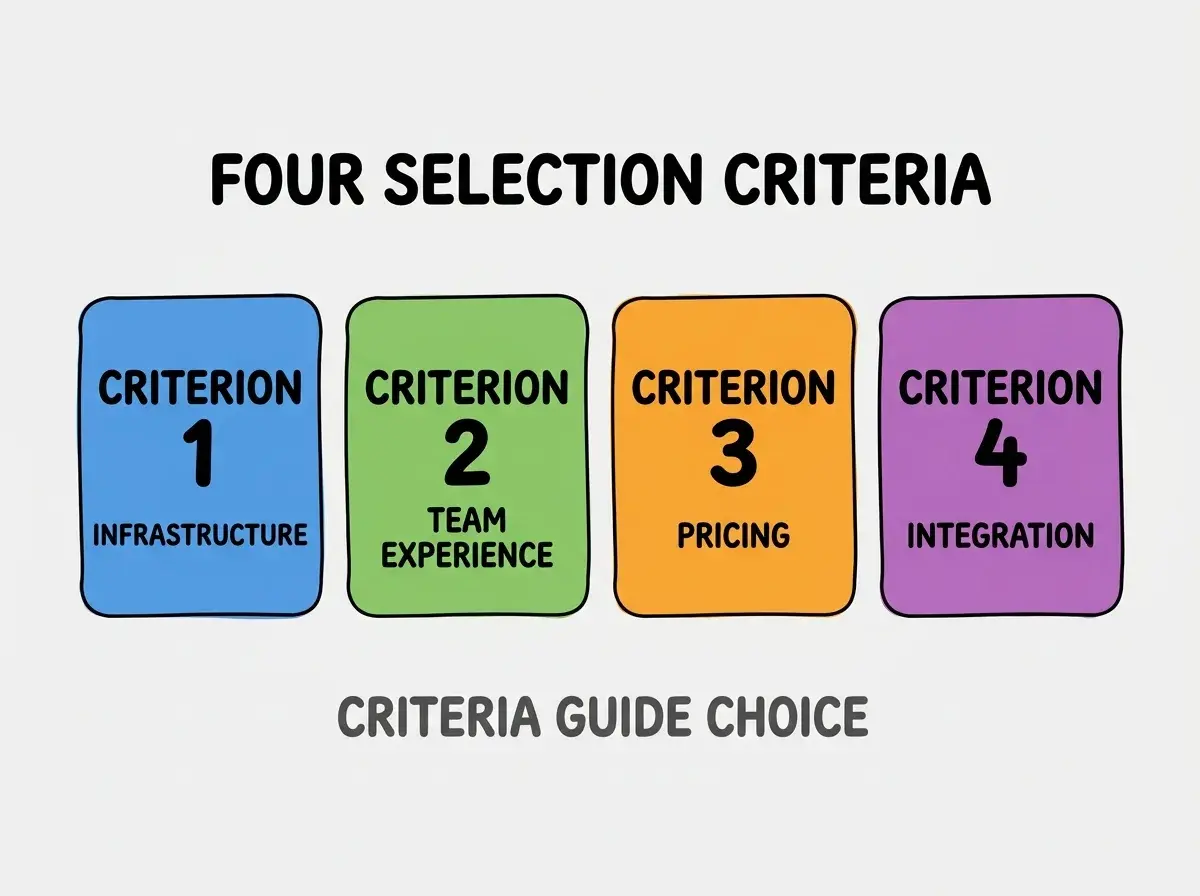
Criterion 3, pricing model. Vault free; SSM included; Doppler subscription.
Criterion 4, integration depth. Which fits CI, deploy, runtime.
How Each Tool Compares
Four implementation comparisons help choice.
Implementation 1, Vault for multi cloud control. Self hosted; complex setup.
Browse more grow
Read more growImplementation 2, AWS SSM for AWS native. Integrated with AWS services.
Implementation 3, Doppler for solo and small teams. Hosted; simple setup.
Implementation 4, integration patterns differ. Each tool has SDKs.
What Makes Secrets Management Sustainable
Three patterns separate sustainable from operational nightmare.
Pattern 1, rotation policies. Secrets rotate; rotation prevents long lived risk.
Pattern 2, access logging. Who accessed when; logs essential.
Pattern 3, automation of secret retrieval. Manual fetching error prone.
What Makes Secrets Strategy Effective
Three patterns separate effective strategy from theatrical.
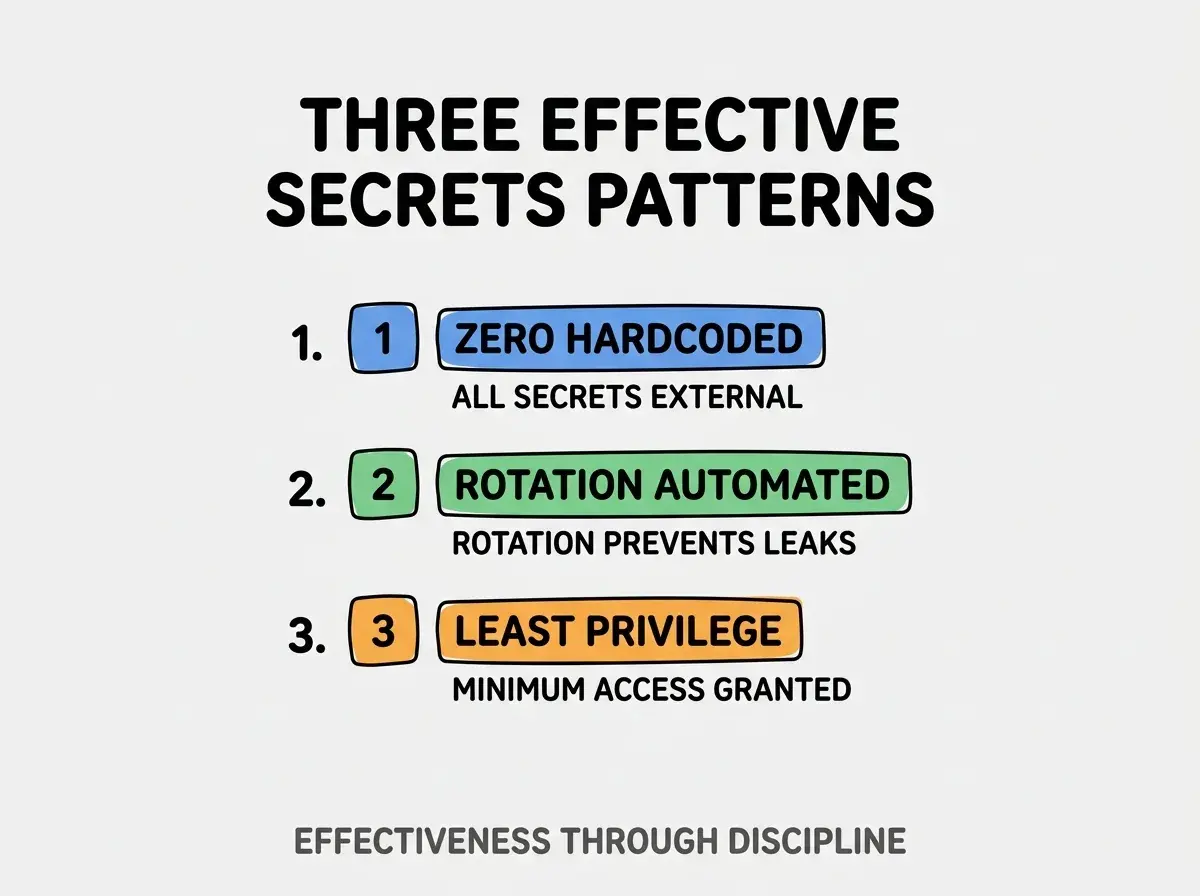
Pattern 1, zero hardcoded. All secrets external; never in code.
Pattern 2, rotation automated. Rotation prevents long lived leaks.
Pattern 3, least privilege. Minimum access granted.
The combination produces effective secrets management. Without these patterns, leaks happen.
How To Choose For Your Project
Three patterns help project choice.
Pattern A, AWS heavy use SSM. SSM integrated; minimal additional cost.
Pattern B, multi cloud use Vault. Vault works everywhere; control.
Pattern C, simple needs use Doppler. Doppler accessible; quick.
Common Questions About Secrets Management
Secrets management raises questions worth addressing directly.
The first question is whether to use multiple tools. Sometimes; complexity tradeoff.
The second question is what about Kubernetes secrets. Built in but limited; combine with vault.
The third question is whether to encrypt at rest plus in transit. Both essential.
The fourth question is how to handle developer access. Per developer credentials; not shared.
How Secrets Management Affects Security Posture
Secrets management affects security posture in compounding ways. Posture effects compound across services.
The first compounding effect is leak prevention. Proper management prevents leaks.
The second compounding effect is incident response. Rotation enables fast response.
The third compounding effect is compliance. SOC 2, HIPAA need management.
The combination produces security posture shaped by secrets discipline. Without discipline, posture fragile.
How To Migrate From Hardcoded To Managed
Three patterns help migration.
Pattern A, audit existing hardcoded. List all hardcoded secrets.
Pattern B, migrate incrementally. One secret at a time.
Pattern C, rotate after migration. Old secrets compromised; rotate.
The combination enables migration. Without patterns, migration risky.
The most damaging secrets management mistake is partial migration. Some secrets managed, some hardcoded; partial creates false security. The fix is to comprehensively migrate; no exceptions. Builders who comprehensively migrate maintain security; builders with partial migration leak through unmigrated secrets.
The other mistake is missing the rotation component. Long lived secrets compromise.
A third mistake is over engineering when simple sufficient. Doppler enough for many.
A fourth mistake is treating secrets as one time setup. Secrets evolve; ongoing management.
What This Means For You
Secrets management in production with Vault, AWS SSM, or Doppler enables secure secret handling at scale. The four criteria, implementation comparisons, and sustainability approaches produce secrets management that compounds security posture.
- If you're a senior dev: Secrets management fluency expected; learn options.
- If you're a founder: Security matters for enterprise; investment justified.
- If you're changing careers: Security expertise valuable; specialty differentiates.
Browse more grow
Read more grow