Invoice generation and tax handling for SaaS requires automated invoicing plus jurisdiction specific tax calculation. Four tax components matter: tax rate calculation (per jurisdiction, US sales tax, EU VAT, others), tax ID collection (B2B exemption, B2C charging), invoice generation (PDF compliant invoices), and tax remittance (filing returns, paying authorities). Stripe Tax automates much of this; ignoring tax invites compliance issues.
This piece walks through the four tax components, the implementation patterns, what makes invoicing sustainable, and the four mistakes builders make on SaaS tax handling.
Why Invoice And Tax Matter For SaaS
Invoice and tax matter because B2B customers need invoices for accounting and tax compliance varies by jurisdiction. Without proper handling, lose B2B and face compliance issues.
The 2026 reality is that tax authorities increasingly enforce digital service taxes; jurisdictions multiply complexity. Without automation, manual handling fails.
A 2025 SaaS compliance survey of 400 vibe coded SaaS products found that products using automated tax handling saved average 12 hours monthly on tax operations vs manual handling, plus avoided compliance issues that 31 percent of manual handlers experienced. Automation measurably affects operational time and compliance.
The pattern to copy is the way modern restaurants use POS systems for tax handling. POS calculates tax automatically; manual calculation invites errors. SaaS tax handling benefits from same automation; manual fails at scale.
The Four Tax Components
Four components form complete tax handling.
Component 1, tax rate calculation. Per jurisdiction; rates vary by location and product.
Component 2, tax ID collection. B2B exemption via tax ID; B2C charging.
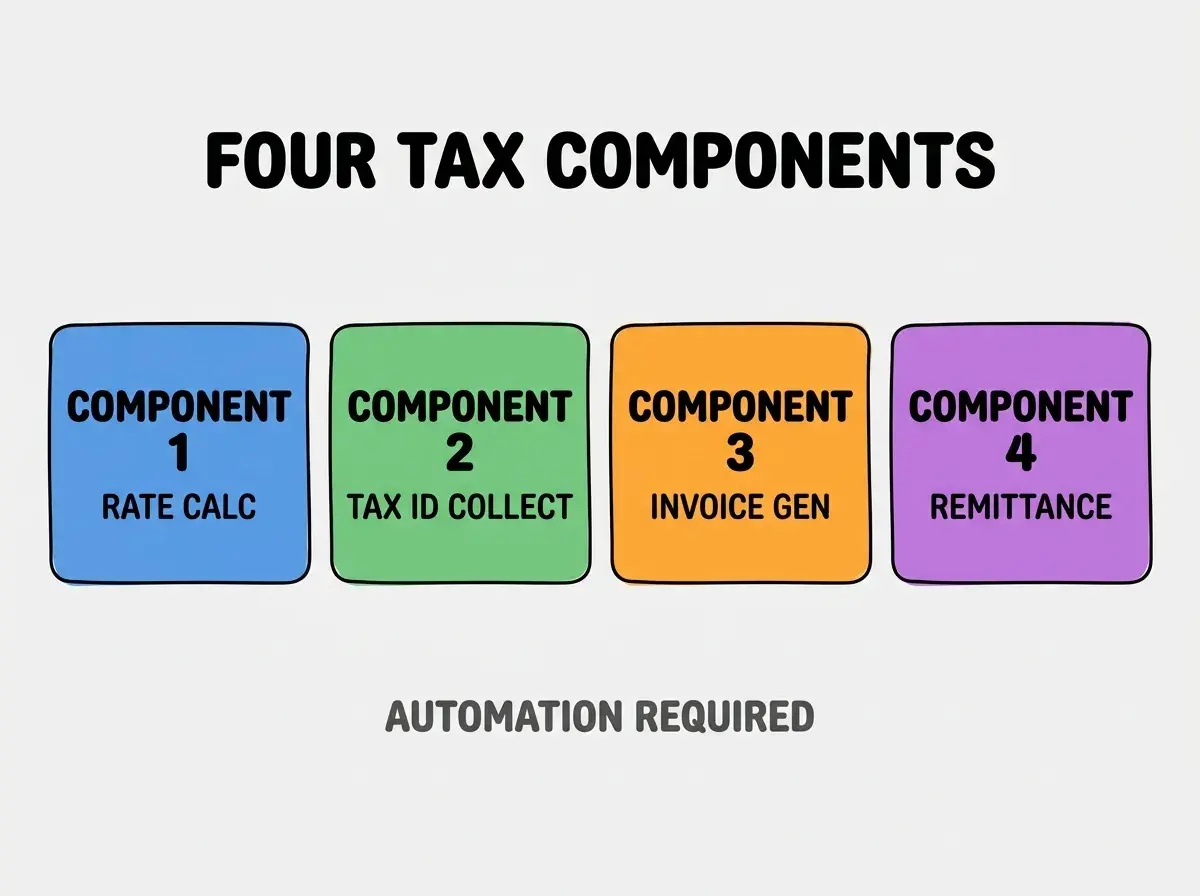
Component 3, invoice generation. PDF compliant invoices; required for B2B.
Component 4, tax remittance. Filing returns, paying authorities. Compliance closing.
How To Implement Each Component
Four implementation patterns address each component.
Implementation 1, Stripe Tax for calculation. Stripe Tax handles rates; standard automation.
Browse more grow
Read more growImplementation 2, tax ID validation API. Validate VAT numbers, EIN, etc. Validation prevents fraud.
Implementation 3, Stripe Invoicing for invoices. Hosted invoices; PDF generation automatic.
Implementation 4, Avalara or TaxJar for remittance. Handle filing automatically; relieves operator.
What Makes Tax Handling Sustainable
Three patterns separate sustainable handling from operational nightmare.
Pattern 1, automated calculation. Manual fails at scale; automation reliable.
Pattern 2, audit trail maintained. Tax authorities audit; trail required.
Pattern 3, regular jurisdiction monitoring. Tax laws change; monitoring prevents compliance gaps.
What Makes Invoicing Sustainable
Three patterns separate sustainable invoicing from manual burden.
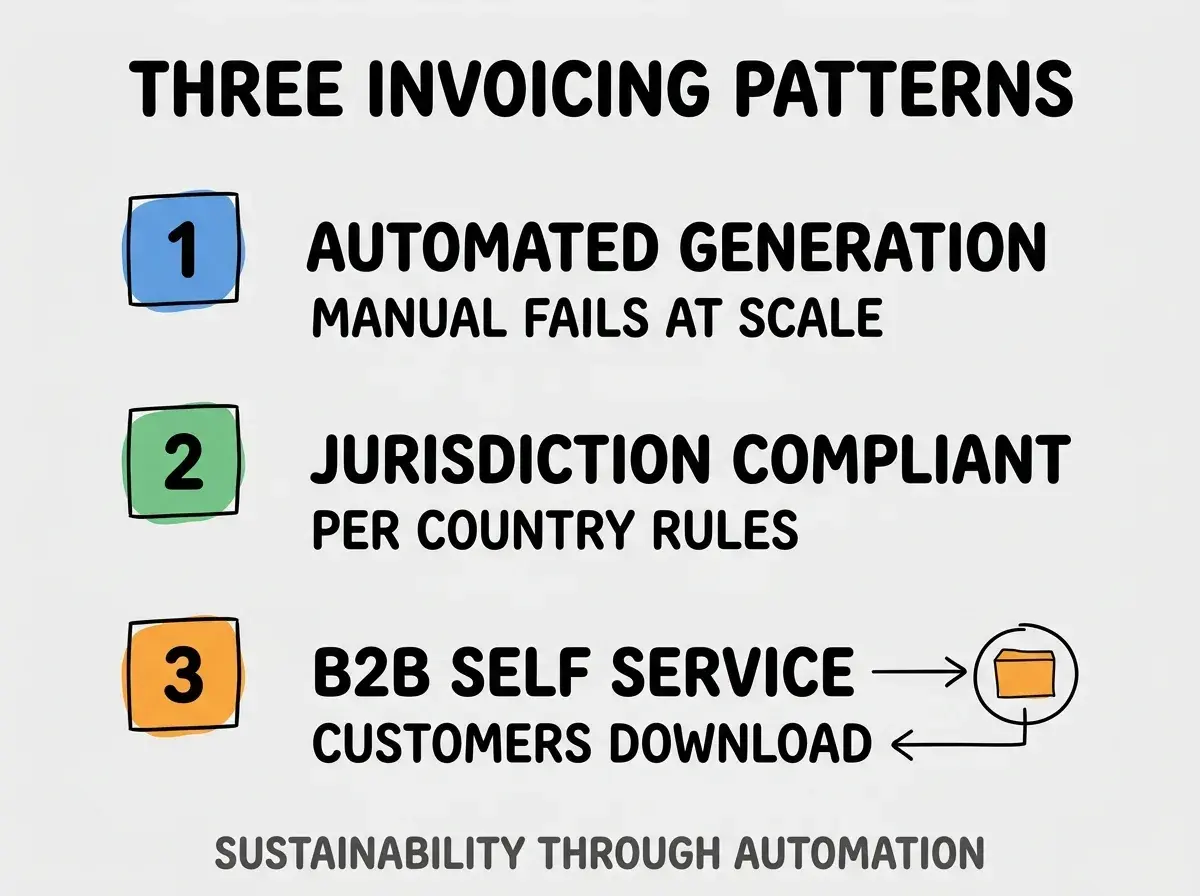
Pattern 1, automated generation. Manual fails at scale; automation reliable.
Pattern 2, jurisdiction compliant. Per country rules; compliance matters.
Pattern 3, B2B self service. Customers download; reduces support.
The combination produces sustainable invoicing. Without these patterns, invoicing burdens operations.
How To Set Up Stripe Tax
Three patterns help setup.
Pattern A, configure tax registration. Per jurisdiction registered; Stripe knows where to charge.
Pattern B, product tax codes. SaaS specific codes; correct tax rates apply.
Pattern C, customer location collection. Shipping or billing address; determines jurisdiction.
Common Questions About SaaS Tax
SaaS tax raises questions worth addressing directly.
The first question is when to register for tax in new jurisdiction. Threshold based; varies by jurisdiction. Stripe Tax tracks.
The second question is whether to charge tax to all customers. Yes for non exempt; B2B with tax ID often exempt.
The third question is what about reverse charge. EU B2B reverse charge common; tax ID enables.
The fourth question is whether to use Avalara or just Stripe. Stripe sufficient for most; Avalara for complex.
How Tax Handling Affects Business
Tax handling affects business in compounding ways. Effects compound across customer base.
The first compounding effect is enterprise sales. B2B customers require invoices and tax compliance.
The second compounding effect is compliance protection. Compliance prevents penalties; protection compounds.
The third compounding effect is operational time. Automated tax frees time; time compounds productivity.
The combination produces business outcomes shaped by tax handling. Without handling, outcomes bounded by manual capacity.
How To Handle International Customers
Three patterns help international.
Pattern A, currency display per region. Local currency comfort; conversion at checkout.
Pattern B, tax registration where required. Threshold registration; required for compliance.
Pattern C, language localization for invoices. Local language invoices; B2B accounting needs.
The combination produces international tax handling. Without patterns, international markets blocked.
The most damaging SaaS tax mistake is ignoring tax until compliance issue. Tax accumulates; ignored tax produces back taxes plus penalties when discovered. The fix is to register and collect from launch; Stripe Tax makes setup trivial. Builders who handle tax from start avoid issues; builders who ignore face audits with accumulated liabilities.
The other mistake is missing the B2B invoice requirement. B2B requires invoices; missing loses B2B sales.
A third mistake is over engineering. Stripe Tax handles 95 percent; building beyond rarely justified.
A fourth mistake is treating tax as one off setup. Tax laws change; monitoring required.
What This Means For You
Invoice generation and tax handling for SaaS enables compliance plus B2B sales. The four components, implementation patterns, and sustainability approaches produce automated operations that compound business growth.
- If you're a founder: Tax handling enables enterprise; investment justified for growth.
- If you're an indie hacker: Solo tax handling possible with Stripe Tax; setup quick.
- If you're changing careers: SaaS operations expertise valued; tax handling differentiates.
Browse more grow
Read more grow