Billing portal letting customers manage their own subscriptions reduces support burden and improves customer experience. Four portal features matter: subscription management (upgrade, downgrade, cancel), payment method updates (add cards, remove cards, default selection), invoice history (view, download, payment status), and account settings (billing email, address, tax info). Stripe Billing Portal provides hosted portal eliminating most build work. Implementations take hours not days.
This piece walks through the four portal features, the implementation patterns, what makes billing portals sustainable, and the four mistakes builders make on billing portals.
Why Billing Portals Matter For SaaS
Billing portals matter because customers expect self service for routine billing tasks. Without portal, support handles routine; routine support steals time from product.
The 2026 reality is that hosted billing portals (Stripe, Paddle, Lemon Squeezy) eliminate build complexity. Maturation makes portals accessible.
A 2025 SaaS support survey of 600 vibe coded SaaS products found that products with self service billing portals reduced billing support tickets by 78 percent compared to products without portals, primarily through customers self serving routine tasks. Portals measurably affect support burden.
The pattern to copy is the way banks moved from teller required transactions to ATM and online banking. Self service reduces operational cost while improving customer experience. Same patterns apply to billing.
The Four Portal Features
Four features form complete billing portal.
Feature 1, subscription management. Upgrade, downgrade, cancel. Self service core.
Feature 2, payment methods. Add, remove, set default. Card management.
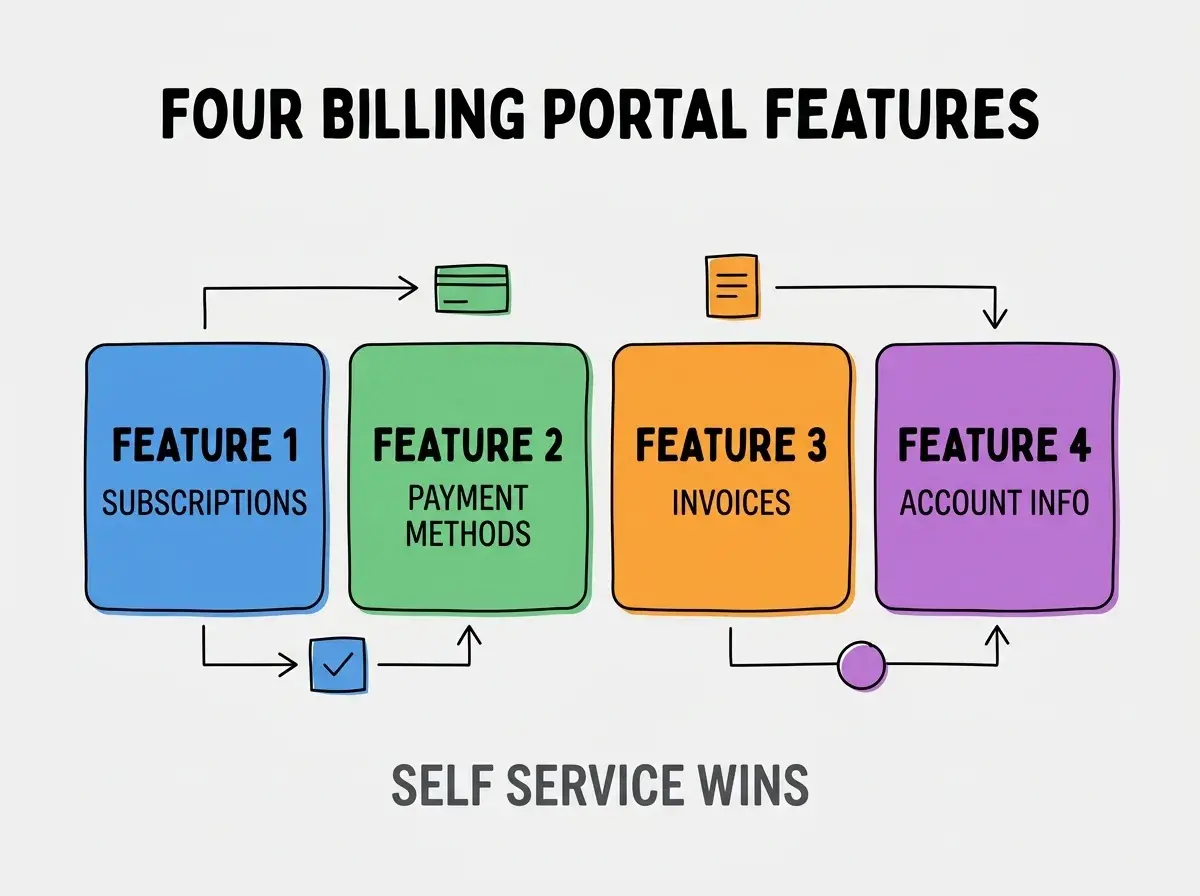
Feature 3, invoices. View, download, payment status. Receipt access.
Feature 4, account info. Billing email, address, tax info. Tax compliance.
How To Implement Each Feature
Four implementation patterns address each feature.
Implementation 1, Stripe Billing Portal. stripe.billingPortal.sessions.create; redirect to Stripe.
Browse more grow
Read more growImplementation 2, configure portal in Stripe dashboard. Branding, features, terms; configured in dashboard.
Implementation 3, customer portal session creation. Per customer; session expires.
Implementation 4, webhook handling for changes. Customer changes via portal; webhook updates app.
What Makes Billing Portals Sustainable
Three patterns separate sustainable portals from initial builds.
Pattern 1, hosted portal preferred. Stripe handles updates; self hosted requires maintenance.
Pattern 2, branding consistent. Match app branding; consistent feel.
Pattern 3, support escalation clear. Some issues need human; escalation path matters.
What Makes Portals Effective
Three patterns separate effective portals from frustrated customers.
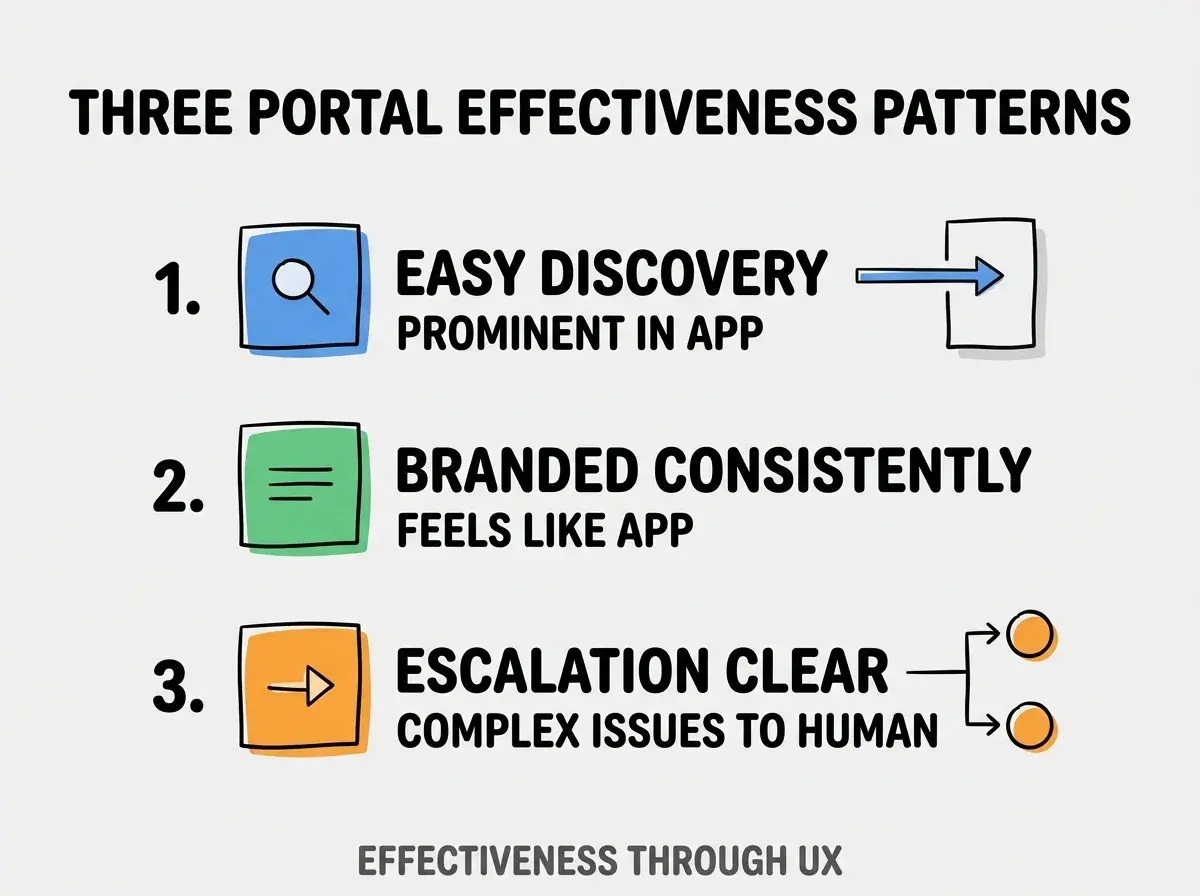
Pattern 1, easy discovery. Prominent in app; portal hidden useless.
Pattern 2, branded consistently. Feels like app; jarring transitions reduce trust.
Pattern 3, escalation clear. Complex issues to human; clear path matters.
The combination produces effective portals. Without these patterns, customers default to tickets.
How To Configure Stripe Portal
Three patterns help configuration.
Pattern A, Stripe dashboard portal settings. Settings > Billing > Customer portal; standard.
Pattern B, allow features carefully. Each feature opt in; allow what you support.
Pattern C, terms of service link. Portal links to ToS; required.
Common Questions About Billing Portals
Billing portals raise questions worth addressing directly.
The first question is whether to build vs use Stripe portal. Stripe; build only for unusual needs.
The second question is whether to charge for plan changes. Generally no; friction reduces conversions.
The third question is whether to allow self cancel. Yes; legal requirement in some jurisdictions.
The fourth question is how to handle proration. Stripe handles automatically; configure prefer.
How Portals Affect Customer Experience
Portals affect customer experience in compounding ways. Experience effects compound across customer base.
The first compounding effect is satisfaction. Self service expected; missing reduces satisfaction.
The second compounding effect is retention. Friction to manage drives churn; ease retains.
The third compounding effect is referrals. Smooth experience drives referrals; referrals compound growth.
The combination produces experience shaped by portal quality. Without portal, experience bounded by support availability.
How To Handle Edge Cases
Three patterns help edge cases.
Pattern A, downgrade with data implications. Some downgrades affect data; warn customer.
Pattern B, cancellation feedback collection. Optional; insights inform retention.
Pattern C, payment failure retry workflow. Failed payments; retry plus communication.
The combination handles billing edges. Without patterns, edges become support tickets.
The most damaging billing portal mistake is making cancellation hard. Cancel friction tactics produce regulatory risk and reputation damage; FTC and state laws increasingly require easy cancel. The fix is to make cancel as easy as signup; reverse acquisition friction. SaaS companies making cancel easy maintain reputation; companies adding friction face regulatory action and viral negative coverage.
The other mistake is over building when Stripe portal sufficient. Stripe portal handles 80 percent; building wastes time.
A third mistake is missing the webhook integration. Customer changes via portal need app update; webhooks essential.
A fourth mistake is treating portal as one off. Portal evolves with billing; updates required.
What This Means For You
Billing portal letting customers manage their subscriptions reduces support burden and improves customer experience. The four features, implementation patterns, and sustainability approaches produce portals that compound SaaS operations.
- If you're a founder: Portal essential for SaaS; build day one to enable scale.
- If you're an indie hacker: Portal saves solo builder time; investment pays back fast.
- If you're changing careers: SaaS billing fluency valuable; portal patterns standard.
Browse more grow
Read more grow