To transition from vibe coder to AI-assisted engineer in 2026, close four skill gaps that hiring managers consistently look for (deeper code quality understanding, system design and architecture fluency, debugging and observability skills, and team collaboration patterns), demonstrate the closed gaps through specific public work, and position the transition as evolution rather than reinvention. Vibe coders bring real strengths to engineering roles; the transition is achievable with deliberate skill building over 6-12 months.
This piece walks through the four skill gaps, the demonstration patterns that prove readiness, the positioning strategies that help, and the four mistakes vibe coders make when attempting this transition.
Why This Transition Matters
Vibe coding skills (rapid prototyping, AI tool fluency, product thinking) are valuable but increasingly common. Engineering skills (architecture, code quality, team collaboration) command premium because they remain harder to develop. The transition opens substantially better-paying career paths.
The 2026 reality is that many companies want both skill sets in the same person: vibe coder speed for prototyping and exploration, plus engineering depth for production work. The hybrid profile is increasingly valuable; the transition unlocks roles that require it.
A 2025 LinkedIn talent report on AI-assisted engineering roles found that hybrid candidates (vibe coding background plus engineering depth) earned 1.4x more than pure vibe coders and were 2.3x more likely to be promoted within 18 months than pure traditional engineers. The hybrid profile is genuinely valuable; the transition produces measurable career upside. The investment in engineering skill development pays back substantially.
The pattern to copy is the way photographers transition from amateur to professional. Amateurs learn camera basics; professionals add lighting, composition, post-processing, business skills. The professional transition is real work but expands earning potential dramatically. Vibe coder to engineer transition follows similar logic.
The Four Skill Gaps to Close
Four skill gaps consistently distinguish vibe coders from AI-assisted engineers. Closing them is the work of the transition.
Gap 1, deeper code quality understanding. Beyond "the code works," engineers understand maintainability, readability, performance, testability. The deeper understanding informs better decisions about what to build and how.
Gap 2, system design and architecture fluency. Engineers think about how systems compose, how they scale, how they evolve. Architecture skill enables work on systems that vibe coding alone cannot deliver.
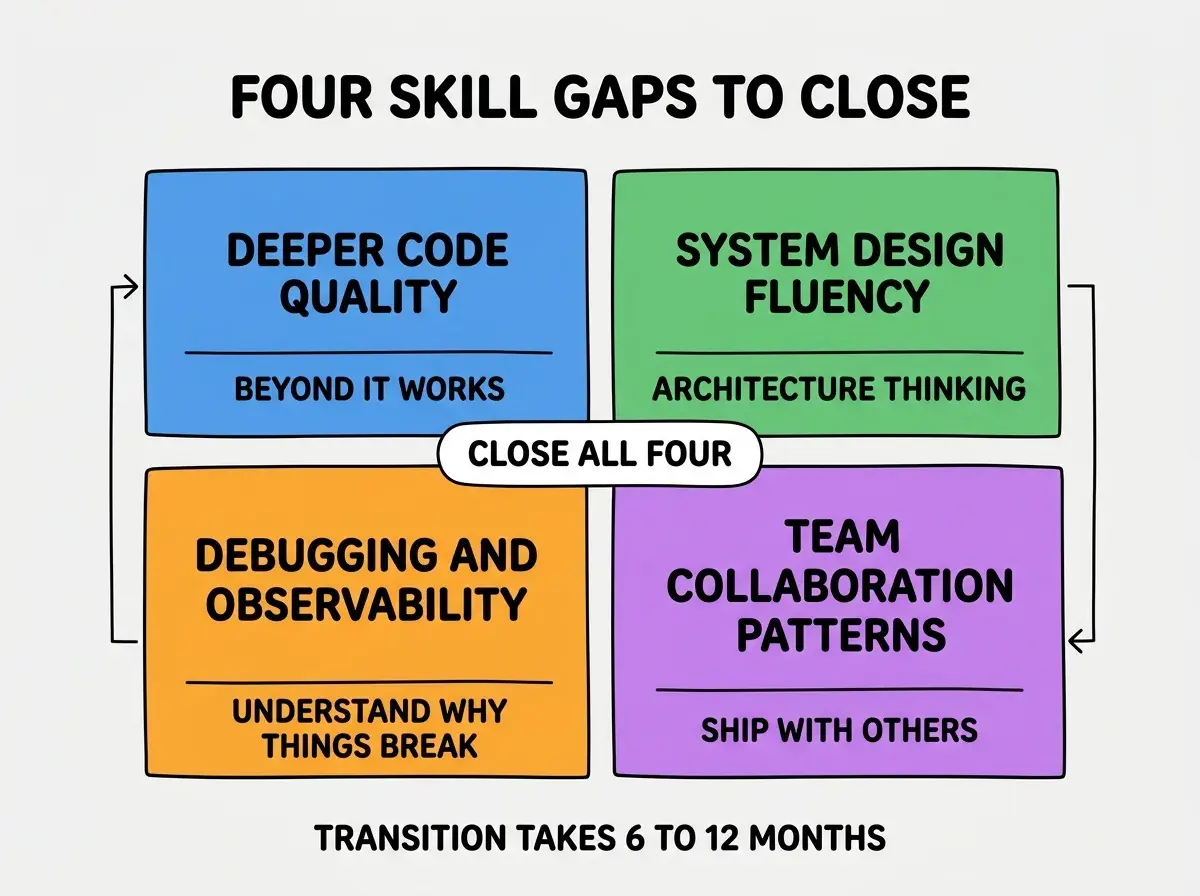
Gap 3, debugging and observability skills. Engineers diagnose problems systematically using logs, metrics, traces. Vibe coders often rely on AI to explain bugs; engineers can diagnose independently when AI cannot help.
Gap 4, team collaboration patterns. Engineers ship in teams: code review, branch strategy, communication patterns. Solo vibe coding does not develop these skills; team work requires explicit practice.
How to Close the Gaps Practically
Three practical approaches close the gaps over 6-12 months.
Approach 1, contribute to open-source projects. Real engineering work in real codebases. Code review experience, collaboration patterns, code quality standards. The contributions become both skill development and portfolio material.
Browse more career transition guides
Read more foundations articlesApproach 2, study system design through specific resources. "Designing Data-Intensive Applications" by Kleppmann; high-quality system design YouTube content; specific case studies from major tech companies. Structured learning closes the architecture gap.
Approach 3, work with traditional engineers. Either through employment, freelance contracts, or paid mentorship. Direct collaboration with experienced engineers transfers tacit knowledge that books cannot teach in any form.
How to Demonstrate Closed Gaps Publicly
Three demonstration patterns prove engineering readiness to hiring managers.
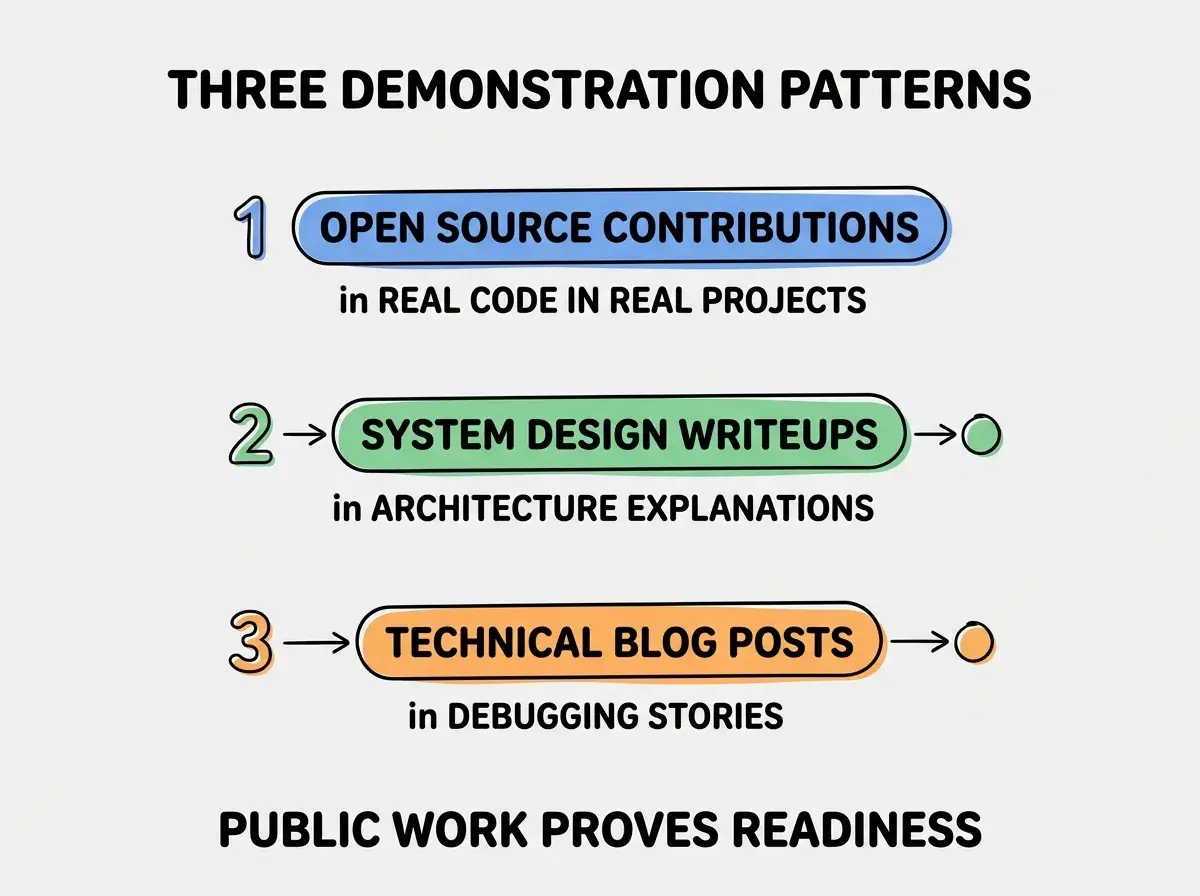
Pattern 1, open-source contributions accepted into major projects. The acceptance signals that experienced maintainers found your work meets their standards. High signal of engineering capability that is hard to fake.
Pattern 2, system design writeups for systems you built. Detailed architecture documentation showing how you thought about scale, reliability, performance. Demonstrates engineering thinking that pure code samples cannot.
Pattern 3, technical blog posts about debugging and problem-solving. Stories of how you diagnosed and fixed complex issues. Shows the systematic thinking that defines engineering capability and the rigor employers expect.
How to Sequence the Skill Development
Three sequencing patterns help build skills in the right order over the 6-12 month transition.
Sequence 1, code quality first. Start with the deepest dive into code quality (clean code, readability, testability). The skill underlies everything else; building it first multiplies subsequent learning.
Sequence 2, system design second. Once code quality is solid, study how systems compose. Architecture knowledge needs code quality foundation to be useful; sequencing matters.
Sequence 3, debugging and collaboration in parallel. These can develop simultaneously through real project work. Open-source contributions especially develop both at once efficiently.
The combination produces structured progression rather than scattered effort. Without sequencing, builders often jump between topics and develop shallow knowledge of many; sequencing produces deeper knowledge of each.
How to Position the Transition
Three positioning strategies help navigate the transition with hiring managers.
Strategy A, frame as evolution not reinvention. Your vibe coding background is asset, not liability. Frame the transition as extending capabilities; do not pretend the vibe coding background does not exist or apologize for it.
Strategy B, target hybrid roles initially. Roles that explicitly value both vibe coding and engineering skill (often "AI-first engineer" or "Product Engineer" titles). The hybrid roles match your hybrid profile better than pure traditional engineering roles.
Strategy C, prepare for both technical and product interviews. Engineering interviews probe technical depth; product interviews probe judgment. Hybrid roles often include both. Practice both types of interviews before applying.
The combination produces interviews that go well. Without explicit positioning, vibe coders often face dismissive treatment from traditional engineering interviewers.
The most damaging transition mistake is hiding your vibe coding background to avoid stigma. Some vibe coders feel embarrassed by it during engineering interviews; they minimize or hide it. The fix is to lead with the vibe coding background as competitive advantage; "I can ship in 1 day what most engineers ship in 1 week" is a strength, not a weakness. Founders who own their background and frame it well outperform those who try to look like traditional engineers. Authenticity plus positioning beats concealment.
The other mistake is rushing the transition before genuinely closing the skill gaps. Some vibe coders try to transition with thin engineering preparation; the result is failed interviews and damaged confidence. The fix is to invest the 6-12 months actually closing gaps before targeting transition roles. Premature transition attempts produce worse outcomes than delayed but well-prepared attempts.
A third mistake is targeting only large companies that prefer traditional credentials. Many startups and mid-size companies value the hybrid profile and care less about formal credentials. The fix is to target companies that explicitly value the skills you have, not companies that filter for credentials you do not have.
A fourth mistake is failing to maintain vibe coding skills during the transition. Some transitioning vibe coders abandon their existing skills as they build new ones. The fix is to maintain vibe coding skills alongside engineering skills; the hybrid profile depends on having both, not trading one for the other.
What This Means For You
Transition from vibe coder to AI-assisted engineer is achievable in 2026 with deliberate work over 6-12 months. The four gaps, demonstration patterns, and positioning strategies produce successful transitions for committed builders.
- If you're a founder: Even if you stay founder, closing the engineering gaps makes you a better technical leader. The investment pays back through better technical decisions.
- If you're changing careers into engineering: Take the gaps seriously and invest the time. The transition is real work; shortcuts do not produce successful transitions.
- If you're a student: Build engineering depth alongside vibe coding skills from the start. Hybrid profile from day one beats sequential skill development.
Browse more career transition guides
Read more foundations articles