Internationalization (i18n) for global users requires more than translating strings. Four i18n components matter: string externalization (text in translation files not code), locale handling (date, number, currency formats), RTL support (right to left languages like Arabic), and content localization beyond translation (cultural adaptation). Done right, i18n unlocks global markets; done wrong, app breaks for non English users.
This tutorial walks through the four components, the implementation patterns, what makes i18n sustainable, and the four mistakes builders make on internationalization.
Why i18n Matters For Global Reach
i18n matters because non English users are 75 percent of internet users; ignoring them limits market. Plus accessibility implications.
The 2026 reality is that i18n libraries (next-intl, react-intl, i18next) make implementation accessible. Maturation removed implementation barrier.
A 2025 SaaS market study of 400 vibe coded apps that internationalized found that internationalized apps reached 3.2x larger total addressable market than English only apps, primarily through serving non English speakers in their language. i18n measurably affects market size.
The pattern to copy is the way Spotify launched internationally with localized content. Translated UI plus localized music; users felt at home. Same patterns apply to vibe coded apps; localization beyond translation matters.
The Four i18n Components
Four components form complete i18n.
Component 1, string externalization. Text in translation files. Foundation.
Component 2, locale handling. Date, number, currency formats. Standards.
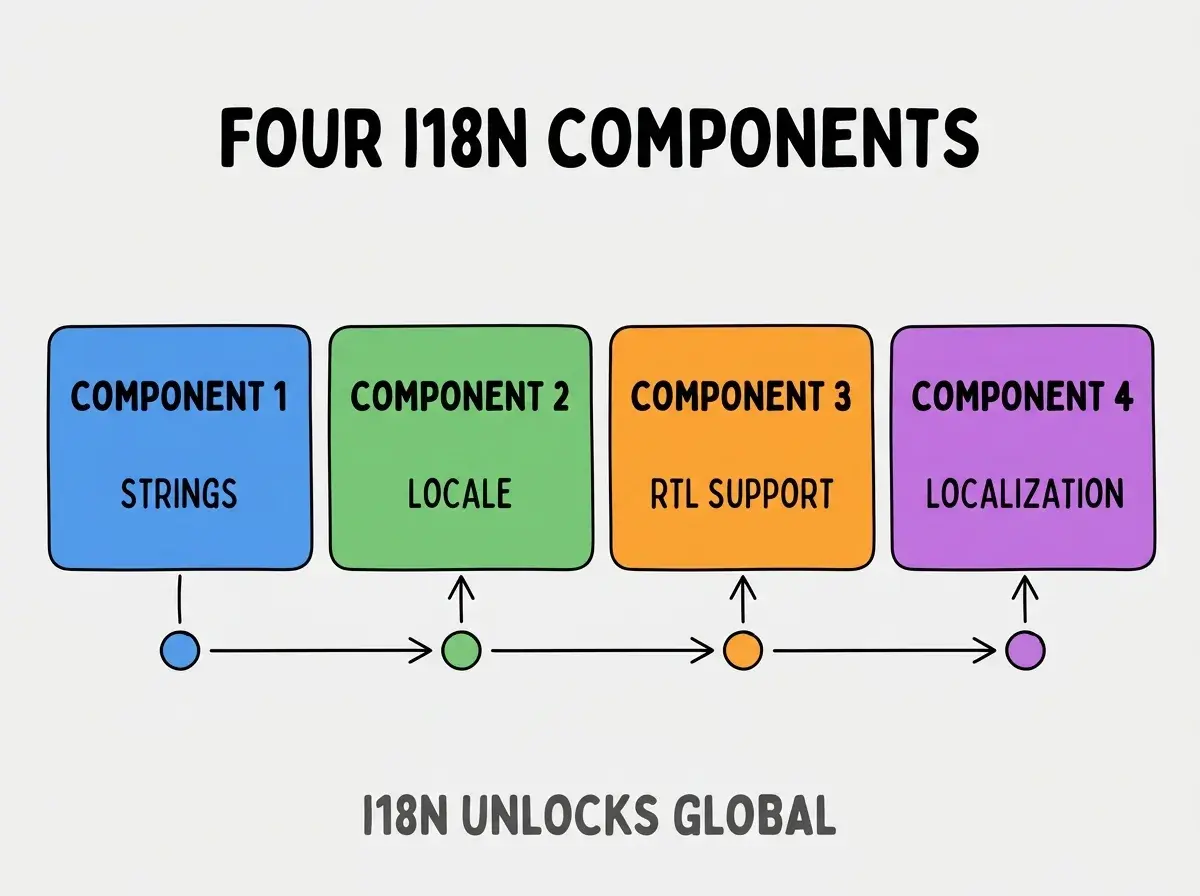
Component 3, RTL support. Right to left languages. Layout.
Component 4, localization. Cultural adaptation. Beyond translation.
How To Implement Each Component
Four implementation patterns address each component.
Implementation 1, next-intl or react-intl. Standard libraries; mature.
Browse more ship
Read more shipImplementation 2, Intl API for locale. Native browser API; works.
Implementation 3, dir attribute plus logical CSS. RTL via dir; logical CSS adapts.
Implementation 4, content per locale where needed. Some content cultural.
What Makes i18n Sustainable
Three patterns separate sustainable i18n from translation theater.
Pattern 1, translations updated with features. Without updates, translation drift.
Pattern 2, native speaker review. Machine translation insufficient; native review.
Pattern 3, locale specific testing. Each locale tested.
What Makes i18n Effective
Three patterns separate effective i18n from theatrical.
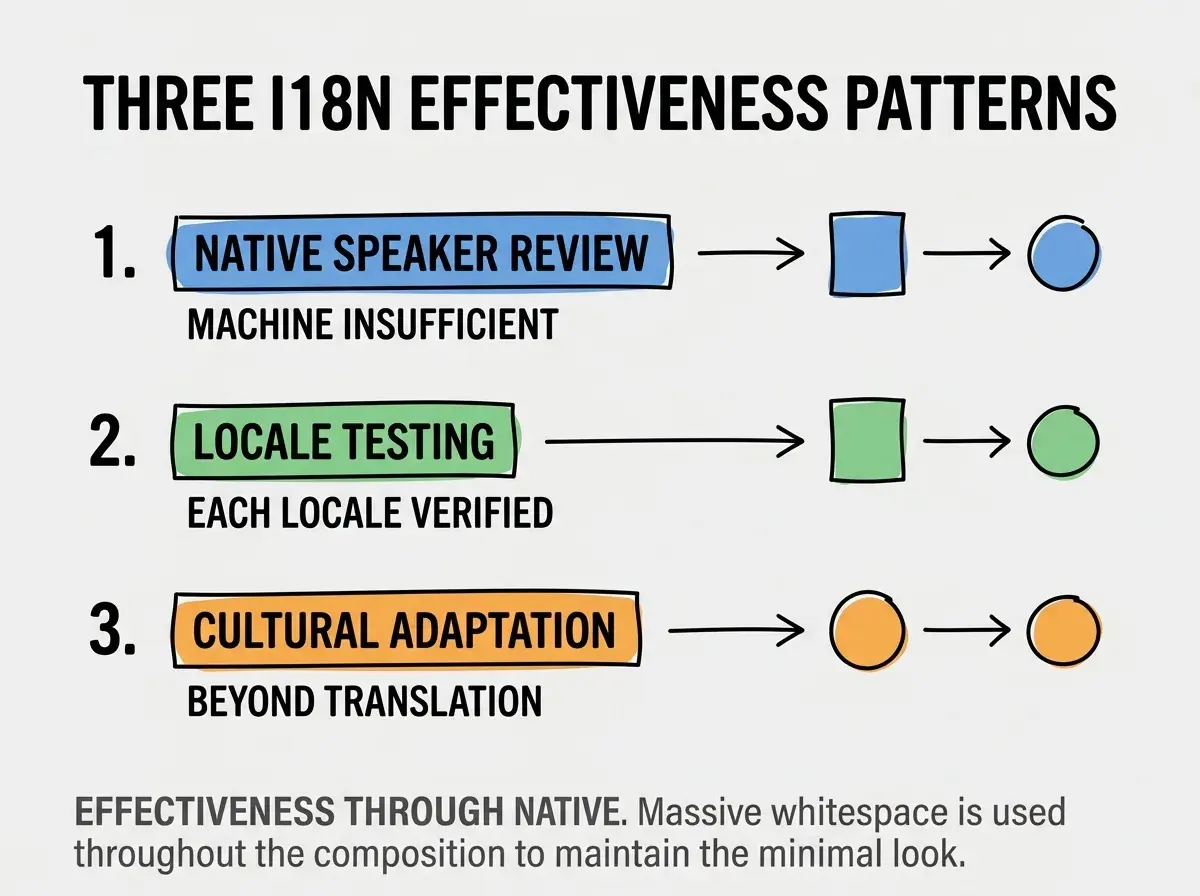
Pattern 1, native speaker review. Machine insufficient; native catches.
Pattern 2, locale testing. Each locale verified.
Pattern 3, cultural adaptation. Beyond translation.
The combination produces effective i18n. Without these patterns, i18n theatrical.
How To Handle Translation Workflow
Three patterns help translation.
Pattern A, translation management platform. Lokalise, Crowdin, others.
Pattern B, context for translators. Strings without context translate poorly.
Pattern C, fallback to default locale. Missing translations fallback.
Common Questions About i18n
i18n raises questions worth addressing directly.
The first question is which languages to support. Start with high traffic non English; expand based on data.
The second question is whether to use machine translation. As starting point; native speaker review essential.
The third question is what about pluralization. Languages have different plural rules; libraries handle.
The fourth question is how to handle URLs. Locale in URL or detected; both viable.
How i18n Affects Market Reach
i18n affects market reach in compounding ways. Market effects compound across languages.
The first compounding effect is total addressable market. Each locale expands.
The second compounding effect is conversion rate. Native language converts better.
The third compounding effect is competitive position. International apps compete in international markets.
The combination produces market reach shaped by i18n. Without i18n, market bounded by English.
How To Test i18n Properly
Three patterns help testing.
Pattern A, pseudo localization first. Bracket all translatable; reveals untranslated.
Pattern B, native speaker user testing. Real users in real languages.
Pattern C, layout test with longest translations. German often longest; layout breaks.
The combination produces tested i18n. Without testing, i18n bugs ship.
The most damaging i18n mistake is using machine translation without review. Machine translations sound foreign; users feel app not for them. The fix is to use machine as starting then native speaker review; native catches awkwardness. Apps with reviewed translations feel native; apps with raw machine translations feel foreign and lose users.
The other mistake is missing the RTL support. Arabic, Hebrew speakers excluded.
A third mistake is hard coding strings in code. Strings in code untranslatable.
A fourth mistake is treating i18n as one off. New features need translation.
What This Means For You
Internationalization i18n for global users unlocks markets beyond English. The four components, implementation patterns, and sustainability approaches produce i18n that compounds market reach.
- If you're a founder: i18n unlocks global market; investment justified for growth.
- If you're a senior dev: i18n fluency expected for global apps; learn patterns.
- If you're changing careers: International expertise valuable; i18n specialty differentiates.
Browse more ship
Read more ship