The rise of vertical AI coding tools represents a shift from general purpose AI assistants toward industry specific solutions optimized for healthcare, finance, ecommerce, and legal contexts. Four vertical categories matter: regulated industries (healthcare, finance with compliance built in), specialized workflows (game development, scientific computing), domain expertise (legal contracts, medical records), and platform specific (Salesforce, ServiceNow, Shopify customization). Combined trends reshape AI coding landscape away from one size fits all.
This analysis walks through the four categories, the implementation patterns, what makes vertical tools sustainable, and the four mistakes builders make on vertical tool selection.
Why Vertical AI Coding Tools Are Rising
Vertical AI coding tools are rising because general purpose tools struggle with specialized domain knowledge. Medical coding, legal precedent, financial regulation require domain expertise that general models lack.
The 2026 reality is that vertical tool funding accelerated through 2025 as horizontal AI coding became commoditized; differentiation requires specialization.
A 2025 industry analysis of 200 specialized SaaS companies found that companies using vertical AI coding tools shipped domain features 2.8x faster than companies adapting general purpose tools, primarily through built in compliance and domain knowledge. Specialization measurably affects velocity in regulated domains.
The pattern to copy is the way medical specialists emerged from general practitioners as medicine became more complex. General practitioners remain valuable; specialists handle depth. Same patterns apply to AI coding tools; horizontal tools serve broad needs, vertical tools serve specialized depth.
The Four Vertical Categories
Four categories describe vertical AI coding tools.
Category 1, regulated industries. Healthcare, finance. Compliance built in.
Category 2, specialized workflows. Games, scientific. Domain optimized.
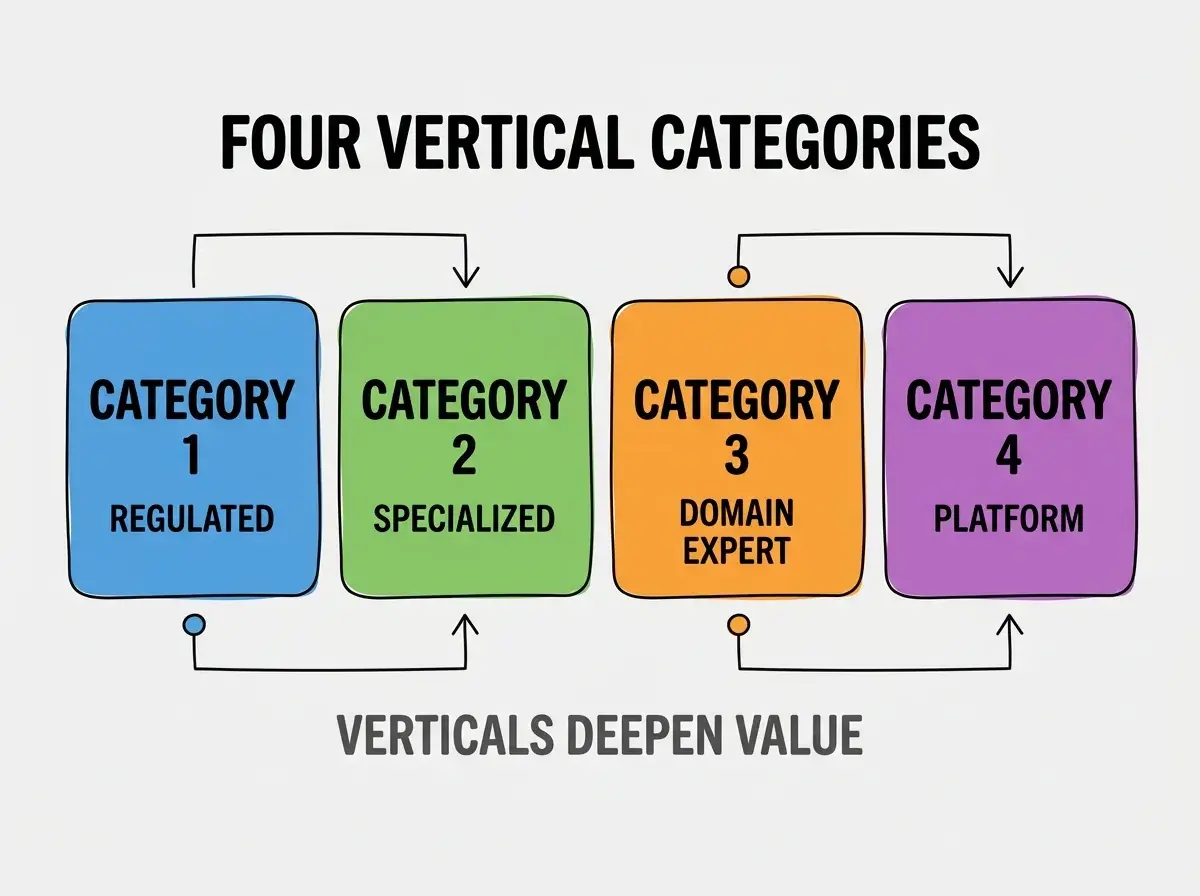
Category 3, domain expertise. Legal, medical. Domain knowledge.
Category 4, platform specific. Salesforce, Shopify. Platform native.
How Vertical Tools Differ From Horizontal
Four implementation patterns distinguish vertical tools.
Implementation 1, training on domain corpus. Models trained on medical records, legal documents, code patterns specific to domain.
Browse more pulse
Read more pulseImplementation 2, compliance built in. HIPAA, PCI, SOC2 patterns enforced; not optional.
Implementation 3, integrations with domain platforms. Direct integration with Epic, Salesforce, NetSuite.
Implementation 4, domain specific UI. Tools surface domain concepts not generic concepts.
What Makes Vertical Tools Sustainable
Three patterns separate sustainable vertical tools from feature theatre.
Pattern 1, deep domain expertise on team. Founders from domain matter; not generic AI engineers.
Pattern 2, customer concentration risk managed. Vertical tools have narrow markets; CAC and LTV must work.
Pattern 3, platform partnerships established. Salesforce, Shopify partnerships unlock distribution.
What Makes Vertical Strategy Effective
Three patterns separate effective vertical from theatrical.
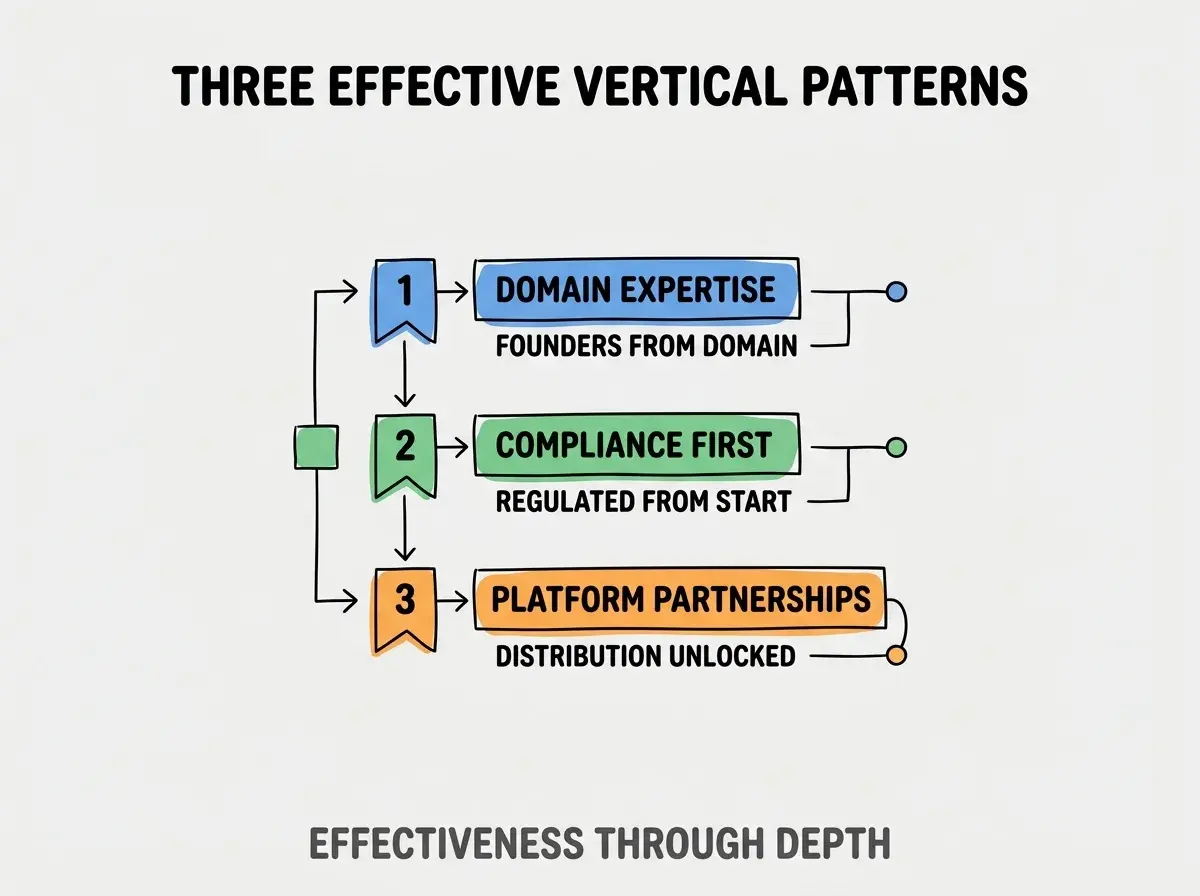
Pattern 1, domain expertise. Founders bring depth.
Pattern 2, compliance first. Regulated from start.
Pattern 3, platform partnerships. Distribution unlocked.
The combination produces effective vertical strategy. Without these patterns, verticals become horizontals with marketing.
How To Choose Vertical Tools
Three patterns help choice.
Pattern A, evaluate domain coverage. Does tool cover your domain genuinely.
Pattern B, compliance verified independently. Don't trust marketing; verify certifications.
Pattern C, platform integration depth checked. Surface integration vs deep matters.
Common Questions About Vertical Tools
Vertical AI coding tools raise questions worth addressing directly.
The first question is whether vertical replaces horizontal. Often complement; horizontal for general, vertical for specialized.
The second question is what about pricing premium. Premium justified by depth; cheaper horizontal if depth not needed.
The third question is how to evaluate emerging vertical tools. Reference customers in domain; case studies.
The fourth question is whether to build vertical or buy. Buy unless core differentiator; building distracts from product.
How Vertical Tools Affect Industry Structure
Vertical tools affect industry structure in compounding ways. Structure effects compound across years.
The first compounding effect is consolidation around platforms. Salesforce, Shopify ecosystems strengthen.
The second compounding effect is specialization premiums. Domain expertise commands higher pricing.
The third compounding effect is generalist competition. Horizontal tools must specialize or lose share.
The combination produces industry structure shaped by verticalization. Without acknowledgment, builders miss strategic shifts.
How To Identify Vertical Opportunities
Three patterns help identification.
Pattern A, regulated industry pain points. Compliance pain creates opportunity.
Pattern B, platform underserved areas. Major platforms have feature gaps.
Pattern C, domain expertise networks. Founders with domain background find opportunities.
The combination produces opportunity identification. Without patterns, opportunities missed.
The most damaging vertical AI coding tool mistake is choosing tools without verifying domain depth. Marketing claims domain expertise; reality often horizontal tool with vertical labels. The fix is to test against domain edge cases your team knows; surface gaps quickly. Builders who test deeply choose effective tools; builders who trust marketing pay premium for horizontal tools dressed as vertical with same limitations.
The other mistake is missing the platform lock in risk. Vertical tools tied to platforms inherit platform risk.
A third mistake is over investing in narrow verticals. Market sizing matters.
A fourth mistake is treating vertical as future fad. Verticals are reshaping AI coding now.
What This Means For You
The rise of vertical AI coding tools reshapes industry structure with specialization commanding premium and horizontals competing on cost. Understanding the four categories, implementation patterns, and effectiveness factors enables better tool choices and strategic positioning.
- If you're a senior dev: Vertical tool fluency increasingly important; learn category patterns.
- If you're a founder: Vertical opportunities exist for domain experts; consider build vs adopt carefully.
- If you're a product manager: Understanding vertical landscape informs build vs buy decisions on tooling.
Browse more pulse
Read more pulse